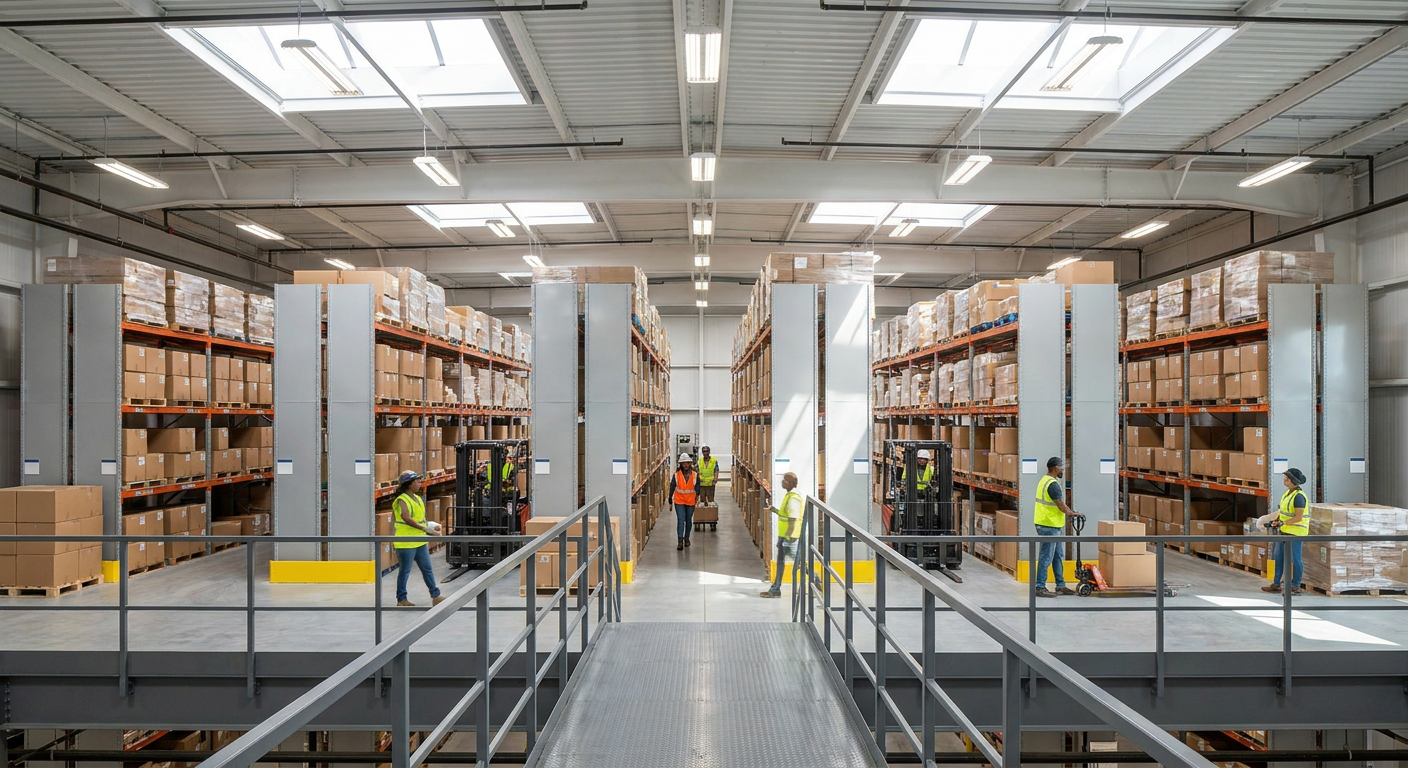
The High Stakes of Employee Injuries in Logistics
Warehouses and logistics centers are dynamic environments, essential to global supply chains. However, this dynamism comes with inherent risks, making employee safety a paramount concern for operators.
Work-related injuries, from slips and falls to equipment-related incidents, can lead to significant financial burdens, including medical costs, workers' compensation claims, and productivity losses. Beyond the immediate financial impact, such incidents can also damage employee morale and corporate reputation.
Effective strategies for preventing injuries and managing claims are not just good practice; they are critical for operational continuity and financial stability in the logistics sector.
Current Challenges in Documenting Workplace Incidents
Traditional methods of incident documentation often fall short in providing the objective, timely evidence needed for robust claim mitigation. Relying solely on witness testimonies or post-incident reports can lead to incomplete or biased accounts.
The time lag between an incident and its documentation can further complicate investigations, blurring details and making it difficult to establish a clear sequence of events. This lack of definitive evidence can prolong claims processes and increase settlement costs.
For warehouse managers, ensuring a safe workplace is a priority, but manually overseeing vast operational areas for potential hazards and incidents is a near-impossible task.
Leveraging AI for Proactive Injury Prevention
Artificial intelligence offers a transformative approach to workplace safety by moving beyond reactive incident response. AI-powered visual analytics can continuously monitor existing camera feeds, identifying potential hazards before they escalate into incidents.
This proactive capability allows for the detection of risky behaviors, unauthorized access to dangerous areas, or environmental anomalies that could contribute to injuries. Early warnings enable swift intervention, preventing many incidents from occurring.
By analyzing patterns over time, AI can also highlight areas of persistent risk, informing targeted safety training and infrastructure improvements to systematically reduce injury potential.
Objective Evidence for Efficient Claim Mitigation
When an incident does occur, the speed and accuracy of evidence collection are paramount for effective claim management. AI visual platforms excel in generating objective, snapshot-based evidence in real-time.
These timestamped visual records provide irrefutable proof of what transpired, detailing the exact moment and nature of an incident. This eliminates ambiguity, supports accurate investigation, and streamlines the workers' compensation claims process.
Having indisputable evidence helps distinguish legitimate claims from fraudulent ones, significantly reducing legal and financial exposure for businesses. It also provides a clear narrative for insurance providers.
Enhancing Compliance and Safety Protocols
Implementing AI for visual monitoring reinforces an organization's commitment to safety and compliance with regulatory standards. The continuous oversight provided by AI ensures that safety protocols are being followed consistently.
AI-generated incident data provides valuable insights for auditing safety performance and identifying areas for improvement. This data-driven approach fosters a culture of safety, where risks are identified and addressed systematically.
The ability to quickly review incident timelines with visual evidence assists in post-incident analysis, leading to more robust safety training and modifications to operational procedures, preventing recurrence.
Conclusion
The integration of AI visual platforms into warehouse and logistics operations marks a significant advancement in employee safety and claims management. By providing proactive hazard detection and objective incident evidence, businesses can create safer working environments and mitigate the financial and reputational impacts of workplace injuries.
Patrol Sense empowers organizations to transform their existing camera infrastructure into a powerful AI security platform. Our snapshot-based, claim-ready evidence ensures that when incidents occur, you have the irrefutable documentation needed for efficient resolution, protecting both your employees and your bottom line without requiring proprietary hardware.