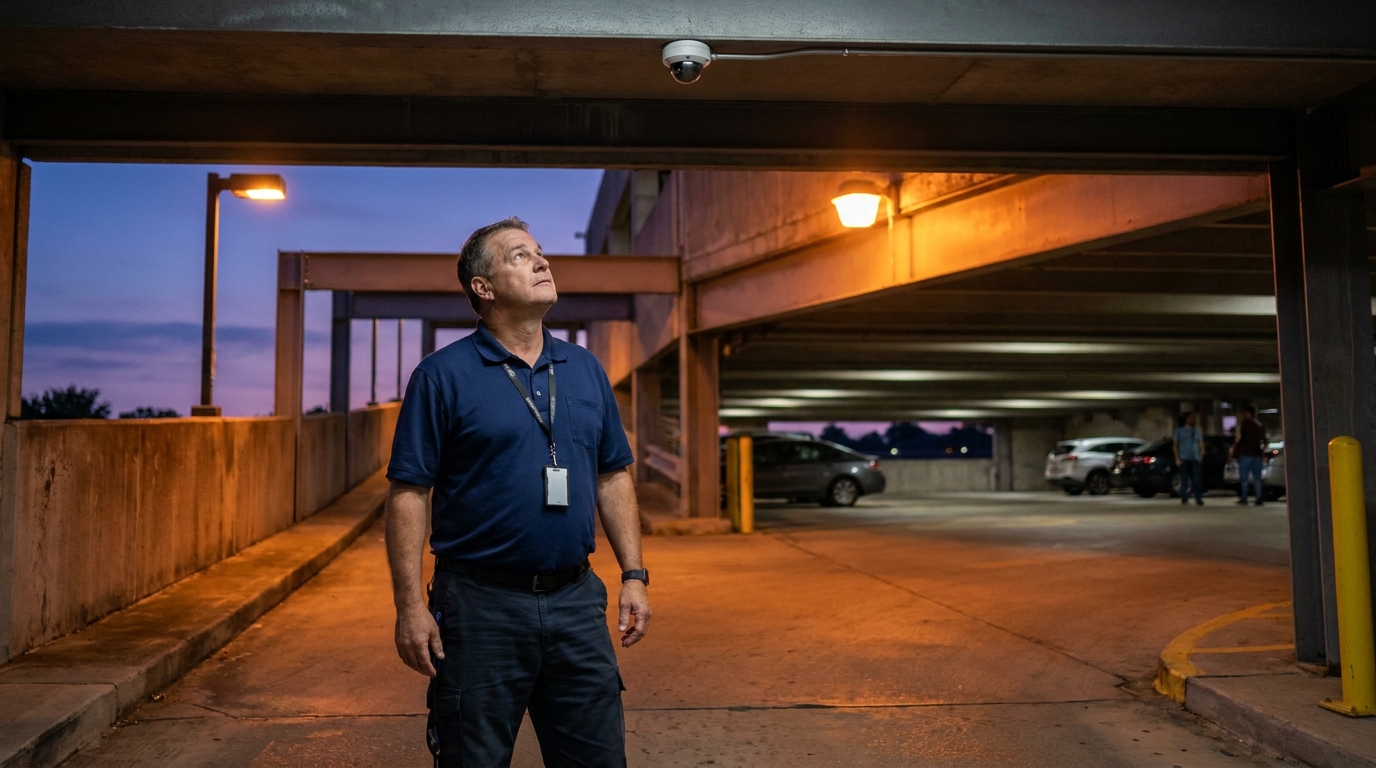
Can a business be liable when video is overwritten before police ask?
Sometimes, but not automatically. Many businesses record over footage on a routine cycle, and that practice alone is generally not treated as wrongdoing. The concern arises when the business knew, or reasonably should have known, that the footage mattered to a claim or investigation and still allowed it to be erased.
The question comes up often in practice. Public legal Q&A forums, such as the Avvo Legal Answers thread on what recourse exists against a business that fails to provide surveillance video to police before it is recorded over, show how common it is for people to ask whether the business can be held responsible. The answer depends on the facts, the jurisdiction, and whether any duty to keep the footage existed at the time it was lost.
This article explains general principles only and is not legal advice. Rules on preservation and sanctions vary by country, state and court, so a business facing an actual dispute should consult qualified counsel.
How a duty to preserve video arises
In general terms, a duty to preserve evidence tends to arise when litigation or an investigation is reasonably foreseeable, or when a formal demand exists. Typical triggers include a subpoena, a court order, a written preservation request from a claimant or insurer, or an incident serious enough that a claim is the obvious next step, such as an injury on the premises.
A routine police request is a different situation from a civil preservation duty, and it does not always carry the same legal weight. Still, if police ask for footage and the business knows an incident occurred on its property, it becomes harder to argue that nobody could have anticipated the footage being needed. Treating the request as a signal to preserve is the cautious approach.
Timing matters as much as the trigger. Footage lost before anyone could reasonably have foreseen a claim is usually viewed differently from footage lost days after the business received a letter or witnessed an injury.
What spoliation concerns look like in practice
Spoliation generally refers to the loss, alteration or destruction of evidence that a party had a duty to keep. Courts in many jurisdictions have discretion to respond when it happens, and the possible responses can range from no consequence at all to instructions that let a jury infer the missing footage was unfavorable. Whether any consequence follows depends on the jurisdiction, the degree of fault, and how much the loss prejudiced the other side.
Courts and insurers commonly look at intent and reasonableness. A business with a written, consistently applied overwrite cycle that lost footage before any notice is in a much stronger position than one that cannot explain why footage from a known incident was not saved. Inconsistent behavior, such as saving footage when it helps and not when it does not, tends to draw scrutiny.
For claimants, the same principles apply in reverse. A claimant who wants footage preserved should send a clear written request early, identifying the location, date, time window and cameras, rather than relying on a verbal conversation.
Build a documented retention policy before you need it
A written retention policy is the most useful defensive document a business can have. It should state how long footage is kept under normal conditions, which cameras and sites are covered, who can suspend overwriting, and what events trigger a hold. The retention period should be chosen based on your own risk profile, contract requirements and local rules, not copied from another business.
The policy only helps if it matches reality. Check recorder settings against the written period, confirm storage capacity actually supports it, and monitor camera and recorder health so that gaps from failed devices are noticed. A policy that says 30 days while the system really keeps a few days creates exactly the inconsistency that draws questions later.
Keep a simple log of holds, requests received and actions taken. Dated records showing who asked for what and what was done in response are often more persuasive than recollection.
Export quickly when an incident happens
The most practical protection is speed. When an injury, theft, collision or similar event occurs, someone on site should know whom to notify and how to secure the relevant footage the same day. Suspend overwriting for the affected cameras and time window, copy the footage in its original format where possible, and record who exported it, when, and from which device.
Snapshot exports help as a fast, lightweight complement. A small set of time-stamped still images taken at key moments, such as before, during and after an event, can be shared quickly with an insurer, property manager or police without moving large files. Snapshots do not replace full footage if a duty to preserve video has attached, so the underlying recording should still be held for the relevant window.
Capture a wide enough window. Include the lead-up and aftermath, and cameras covering approaches and exits, not only the camera that saw the event itself.
Handle police requests and preservation letters promptly
When police or a claimant contacts the business, respond in writing, confirm what footage exists, and place a hold on it immediately. Route the request to a designated person, such as a risk manager or property manager, rather than leaving it to whoever is on shift. If footage has already been overwritten, say so factually, state the documented retention period, and avoid speculation about what it might have shown.
Share footage through a documented process rather than informal channels. For requests from claimants or in civil disputes, involve counsel or your insurer before releasing material, since privacy rules, contracts and local law may affect what can be shared and how. Keep a copy of exactly what was provided and when.
Review each incident afterward. If footage was lost, find out whether the cause was the cycle length, a missed notification or an equipment fault, and adjust the policy and training accordingly.
Conclusion
Overwritten video is not automatically a liability, but it becomes a risk when a business knew or should have known the footage mattered and did nothing to keep it. A documented retention policy, a clear hold procedure, and fast export on the day of an incident are the practices most likely to reduce that exposure. Specific obligations vary by jurisdiction, so counsel should be involved in any real dispute.
Patrol Sense helps by detecting incidents in real time on a business's existing cameras and capturing snapshot-based evidence at the moment of the event, so a record exists even if a recording cycle later moves on. Its camera health monitoring also helps teams notice coverage gaps before they matter. Together with a written retention policy, that gives property and risk teams a more reliable evidence trail.
Frequently asked questions
What is spoliation of surveillance video?
Spoliation generally means the loss, alteration or destruction of evidence by a party that had a duty to keep it. For surveillance video, it usually refers to footage being overwritten or deleted after a claim or investigation became foreseeable. How courts respond depends on the jurisdiction and the circumstances.
Does a police request create a duty to keep video?
Not necessarily in every jurisdiction, and a police request is not the same as a civil preservation demand. However, a request signals that the footage may matter, so placing a hold on it right away is the cautious approach. Counsel can advise on the specific rules that apply.
Is a routine overwrite cycle a defense?
A written, consistently applied retention policy can help show that footage was lost through ordinary operations rather than intentional destruction. It is less persuasive if the business ignored a known incident or a written preservation request. Consistency between the policy and actual system settings matters.
What should a claimant do to get footage preserved?
Send a written preservation request as soon as possible, identifying the location, date, time window and relevant cameras. Address it to the business owner or property manager and keep proof of delivery. Delays increase the chance that the footage has already been overwritten.
Do snapshots satisfy a preservation duty?
Snapshots are useful for quick sharing and documenting key moments, but they may not satisfy a duty to preserve the full recording once that duty attaches. The relevant video window should be held as well. Whether snapshots alone are enough depends on the situation and applicable law.