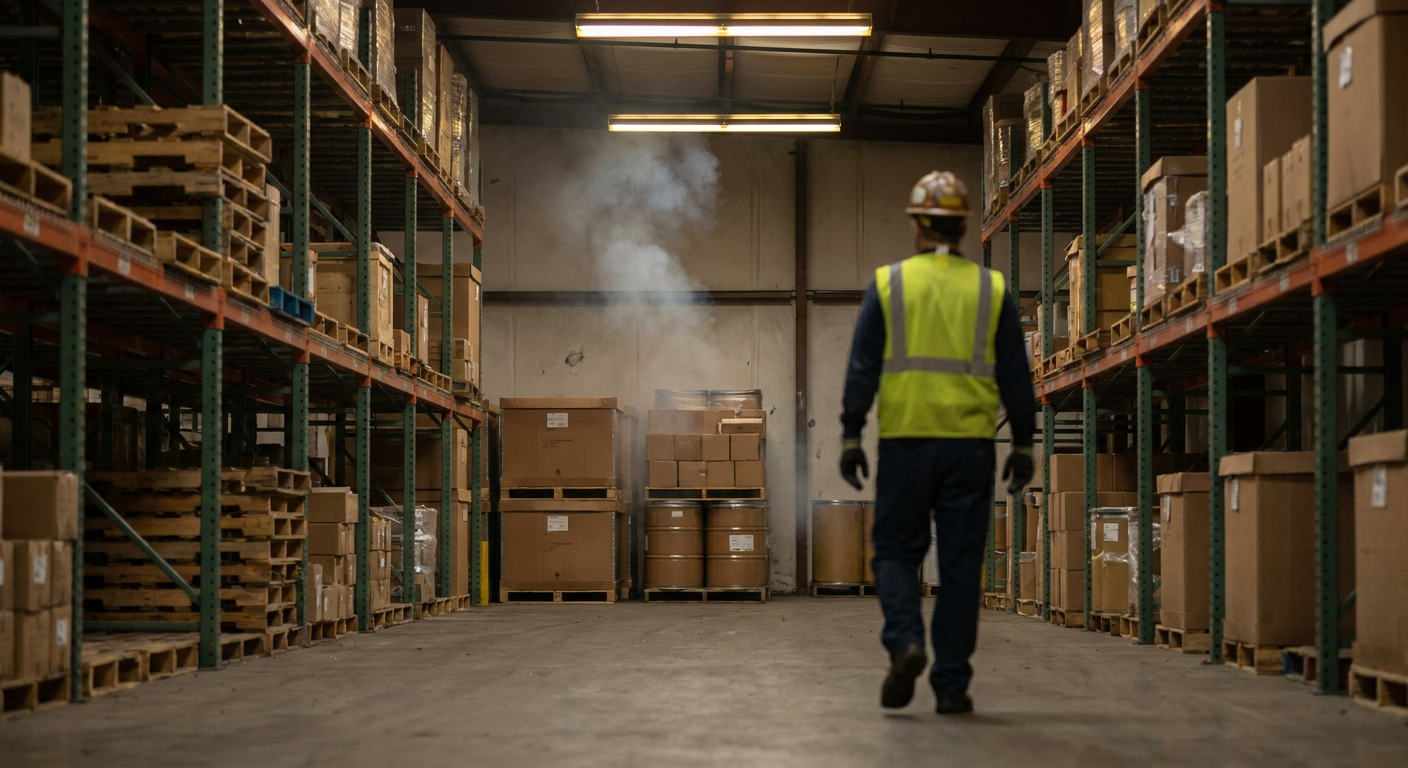
The High Cost of Fire and Smoke Incidents
Fire and smoke incidents present significant threats to business operations across all sectors. Beyond immediate property damage, the resulting operational downtime can severely impact productivity, supply chains, and customer trust.
Even minor incidents can trigger extensive cleanup processes, facility closures, and the need for thorough investigations. These disruptions translate directly into lost revenue and increased expenses, challenging an organization’s financial stability and market position.
Understanding the full scope of these costs, both direct and indirect, is crucial for developing robust mitigation strategies. Proactive measures are invariably more cost-effective than reactive recovery efforts.
Limitations of Traditional Detection Systems
Conventional fire and smoke alarm systems, while essential, typically react to established hazardous conditions. This often means detection occurs after a fire has gained momentum, limiting early intervention opportunities.
False alarms are another persistent issue, leading to unnecessary evacuations, production stoppages, and resource waste. These frequent disruptions can desensitize personnel and erode confidence in the security infrastructure.
Furthermore, traditional systems may struggle in environments with high ceilings, large open spaces, or variable airflows. These challenges highlight a gap in proactive detection before an incident escalates.
AI-Powered Early Warning Capabilities
Advanced AI-powered solutions are revolutionizing fire and smoke detection by leveraging existing camera infrastructure. These systems analyze visual data in real-time, identifying subtle indicators of smoke or flame significantly earlier than traditional sensors.
By continuously monitoring visual patterns, AI can distinguish nascent smoke plumes or flickering light anomalies from normal environmental conditions. This precise analysis reduces false positives while accelerating genuine threat identification.
The ability to detect incidents at their earliest stages provides critical time for intervention. This early warning enables rapid deployment of emergency protocols, helping to contain hazards before they spiral into major disasters.
Minimizing Operational Disruption
Utilizing AI for early fire and smoke detection directly contributes to minimizing operational downtime. Earlier alerts mean that minor incidents can often be addressed before they necessitate full facility shutdowns or extensive clear-outs.
Businesses can implement tiered response strategies to specific AI-detected anomalies. This might involve localized intervention for a small smoke wisp versus a full evacuation for a confirmed fire, optimizing resource allocation.
By preserving operational continuity, AI-driven systems help safeguard production schedules, inventory, and supply chain integrity. This proactive approach supports ongoing business functions rather than merely responding to their cessation.
Enhancing Evidentiary Support and Compliance
Beyond detection, AI systems provide invaluable snapshot-based evidence of incidents. These visual records capture the exact moment and location where smoke or fire was first detected, offering verifiable insights for post-incident analysis.
Such clear, timestamped evidence is crucial for insurance claims, demonstrating the timeline of events and the efficacy of response measures. This aids in faster claim processing and reduces potential disputes.
From a regulatory standpoint, comprehensive visual incident logs support compliance efforts and demonstrate due diligence in safety management. This reinforces an organization's commitment to protecting assets and personnel.
Conclusion
Proactive fire and smoke detection with AI is a vital component of modern operational resilience and risk management. By leveraging existing camera infrastructure for early visual anomaly detection, organizations can dramatically reduce the likelihood and impact of disruptive incidents.
Implementing such advanced systems moves businesses from reactive crisis management to proactive prevention, safeguarding assets, ensuring employee safety, and preserving operational continuity. This strategic shift is imperative for long-term stability.
Patrol Sense empowers businesses with this capability, turning existing cameras into intelligent detectors that provide real-time incident detection and snapshot-based, claim-ready evidence. This ensures that fire and smoke incidents are identified early, minimizing operational downtime and supporting swift, informed responses.