The Overlooked Complexity of Parking Lot Security
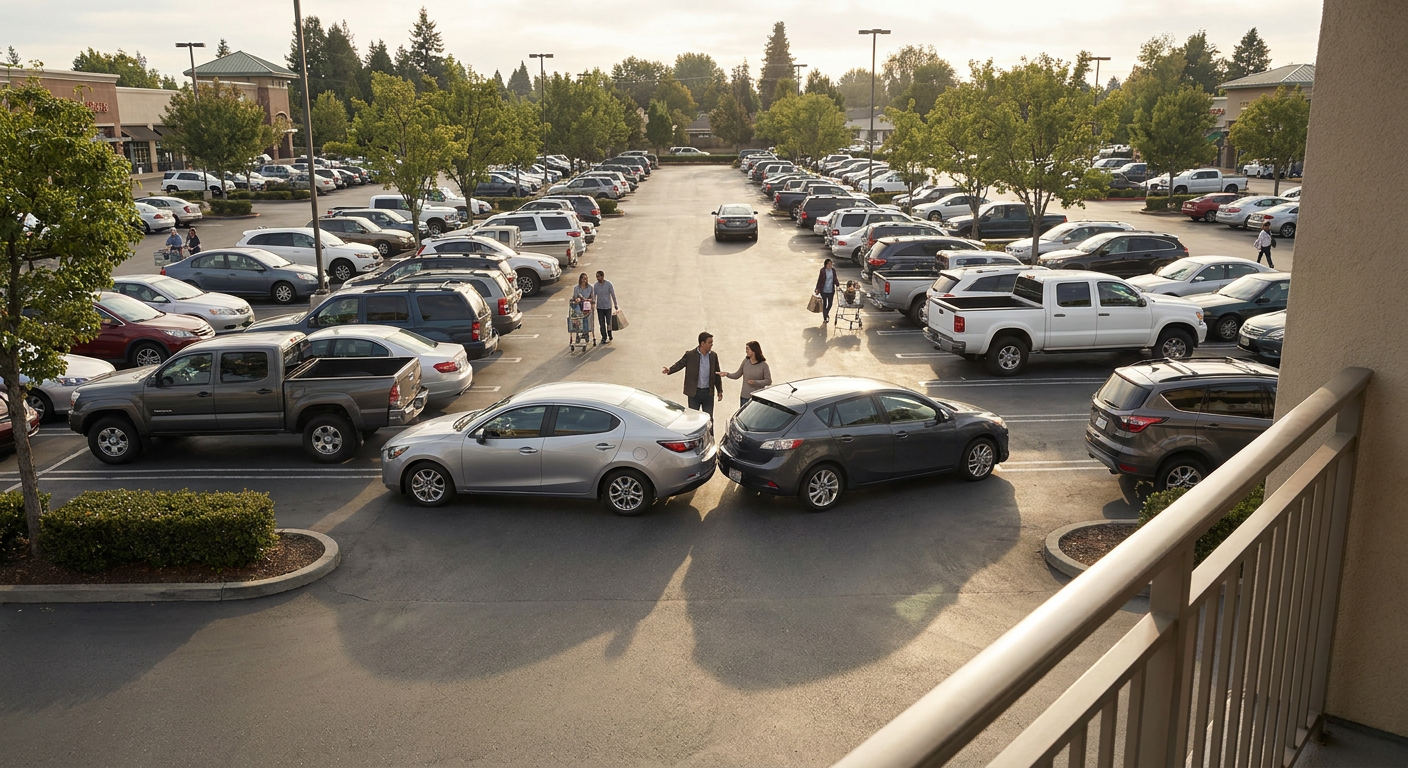
Parking lots are dynamic environments where vehicles and pedestrians interact constantly. This high traffic volume, often compounded by low visibility and varying lighting conditions, makes them hotbeds for diverse incidents. From minor collisions and slip-and-falls to unauthorized activities, these events pose significant risks to businesses.
Traditional surveillance systems often fall short in capturing the granular details needed for accurate incident analysis. Blurry footage, limited angles, and the sheer volume of data make manual review cumbersome and inefficient. This gap in visibility directly impacts a business's ability to respond effectively and gather necessary evidence.
The financial and reputational repercussions of unaddressed parking lot incidents can be substantial. Businesses face potential liability claims, increased insurance premiums, and damage to customer trust. A proactive approach to parking lot security is no longer a luxury but a strategic necessity for operational resilience.
Beyond Passive Monitoring: The Need for Actionable Data
Most existing parking lot camera systems function primarily as passive recording devices. They capture continuous video, but extracting meaningful, actionable data from hours of footage is a time-intensive and often reactive process. This leaves businesses vulnerable to delayed responses and inadequate incident documentation.
True security enhancement comes from transforming raw visual feeds into structured, actionable data. This involves identifying specific events, capturing critical moments, and presenting them in an easily digestible format. Moving beyond 'what happened' to 'what happened precisely and when' is crucial for effective incident management.
The challenge lies in sifting through the noise to find the signal. Manually reviewing video archives for a specific incident is akin to searching for a needle in a haystack. Businesses require a solution that can automatically pinpoint and highlight relevant occurrences, providing immediate context.
Automated Data Capture: A New Paradigm for Incident Management
Automated data capture for parking lots leverages advanced AI to detect and document specific events as they happen. Instead of continuous video, this technology focuses on capturing critical snapshots when an anomaly or incident is identified. This approach ensures that pertinent visual evidence is always available.
This shift from passive recording to active event detection fundamentally changes how businesses manage parking lot security. It provides an immediate, precise record of events, drastically reducing the time and effort required for investigation. The focus moves from sifting through footage to analyzing curated incident snapshots.
By automatically capturing and organizing visual evidence, businesses gain an unprecedented level of insight into parking lot activities. This intelligent data collection serves as the backbone for faster response times, more accurate claims processing, and a deeper understanding of recurring security challenges.
Mitigating Liability with Claim-Ready Visual Evidence
In the event of a parking lot incident, clear and objective evidence is paramount for mitigating liability. Disputes over culpability in accidents, vandalism, or other events often arise from a lack of definitive proof. Automated data capture provides this crucial documentation.
By generating snapshot-based, claim-ready evidence, businesses can present an unbiased visual record of an incident. This includes details like vehicle positions, timestamps, and the immediate context of an event. Such evidence significantly strengthens a business's position in insurance claims or legal proceedings.
The ability to rapidly access and present indisputable visual evidence streamlines the claims process and reduces investigation overhead. This not only minimizes financial exposure but also protects the business's reputation by demonstrating a commitment to transparency and accountability.
Operational Benefits Beyond Incident Response
The advantages of automated data capture extend beyond reactive incident response. Proactive analysis of collected data can reveal patterns and high-risk areas within a parking lot. This intelligence allows businesses to implement targeted preventative measures, such as improved lighting or signage, to enhance overall safety.
Furthermore, detailed incident data supports continuous improvement in security protocols. By understanding the types, frequencies, and locations of incidents, businesses can refine their operational strategies and allocate resources more effectively. This iterative process leads to a safer and more secure environment over time.
Automated data capture also frees up security personnel from tedious manual monitoring. Their efforts can be redirected towards more critical tasks that require human intervention and strategic decision-making. This optimization of staff resources contributes to greater operational efficiency and cost savings.
Conclusion
Parking lots are vital extensions of any business operation, and their security directly impacts customer safety, property protection, and liability exposure. Moving beyond traditional surveillance to intelligent, automated data capture is a strategic step for modern enterprises seeking to enhance their security posture.
By providing precise, snapshot-based evidence, automated systems empower businesses to respond faster, investigate thoroughly, and mitigate risks effectively. This approach not only safeguards assets but also strengthens operational resilience and financial stability.
Patrol Sense offers an AI security platform that transforms existing camera infrastructure into a powerful incident detection and evidence collection system. By generating snapshot-only, claim-ready visual evidence for parking lot incidents, Patrol Sense helps businesses proactively manage risks and secure their premises without the need for new hardware.