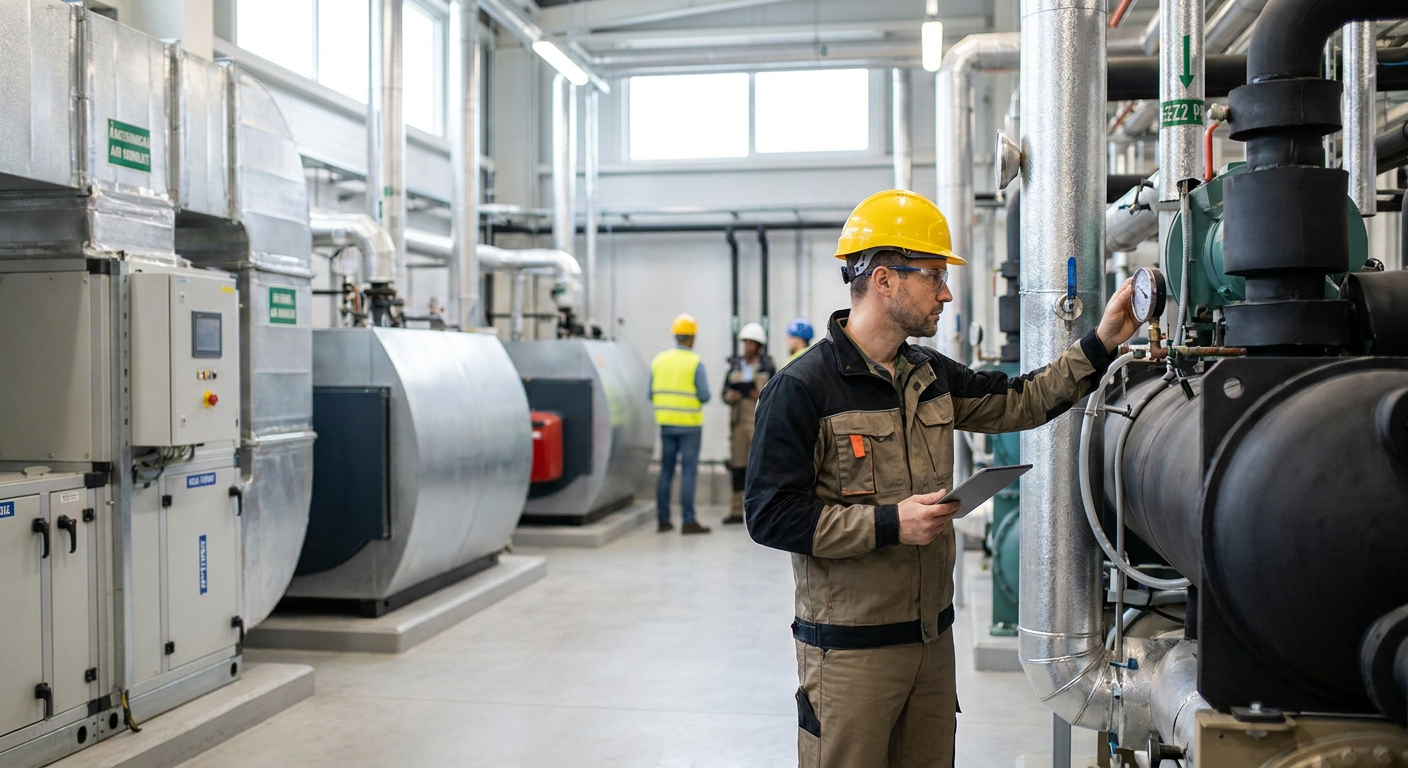
The Unseen Vulnerabilities of Smart Building Utilities
Modern smart buildings are marvels of integration, but their efficiency hinges on the robust operation of critical utility infrastructure. HVAC systems, power generators, water treatment facilities, and communication hubs are the lifeblood of these structures. Any disruption, whether accidental or malicious, can have cascading effects on building occupants and operations.
Traditional security measures often fall short in these complex, often sparsely monitored environments. Access control systems secure doors, but they don't detect unusual activity once inside. Manual patrols are resource-intensive and prone to human error, leaving gaps where incidents can escalate undetected. This creates significant blind spots for potential threats.
From unauthorized personnel attempting to tamper with equipment to the early signs of mechanical failure, these vulnerabilities demand a proactive and intelligent security solution. The challenge lies in monitoring expansive, often dimly lit or out-of-the-way areas without incurring prohibitive costs or extensive hardware overhauls.
Elevating Infrastructure Protection with AI Visuals
Artificial Intelligence (AI) visual security offers a powerful new paradigm for protecting smart building utility plants. By leveraging existing camera networks, AI platforms can transform static surveillance into an active, intelligent monitoring system. This significantly enhances the security posture of critical infrastructure without requiring costly hardware upgrades.
The core advantage lies in the AI's ability to identify anomalies and specific behaviors that indicate a potential threat or operational issue. Rather than merely recording footage, the AI actively processes visual data to detect deviations from normal operating conditions or authorized activities. This proactive approach drastically reduces response times.
This level of automated vigilance ensures that security teams are notified only when genuine risks emerge, rather than sifting through hours of uneventful video. It shifts the security model from reactive review to proactive, real-time incident detection, optimizing resource allocation and overall effectiveness.
Key Use Cases for AI in Utility Plant Security
AI visual security is invaluable for detecting unauthorized access. It can identify individuals in restricted zones, track their movements, and alert security if they deviate from predefined pathways or linger suspiciously. This is crucial for preventing sabotage or theft of valuable components.
Beyond personnel, AI can also monitor for operational inconsistencies. This includes detecting objects left in hazardous areas, identifying unusual spills or leaks, or even recognizing changes in equipment status (e.g., a valve in an incorrect position). Such anomalies can signal impending equipment failure or safety risks.
Furthermore, AI can augment safety protocols by ensuring compliance with PPE requirements in designated areas or detecting signs of fire or smoke. By providing early warnings, these systems enable rapid intervention, preventing minor incidents from escalating into major disasters and safeguarding personnel and assets.
Snapshot-Based Evidence for Swift Response and Documentation
When an incident occurs in a utility plant, quick and accurate response is paramount. AI visual security systems that generate snapshot-based evidence provide immediate, actionable intelligence. These high-resolution images capture the exact moment and nature of the anomaly, eliminating ambiguity.
This snapshot evidence is critical for validating alerts and dispatching the appropriate response teams. Instead of sending personnel to investigate a vague alarm, they arrive with clear visual context of the situation, allowing for a more efficient and targeted intervention. This saves valuable time during emergencies.
Moreover, these snapshots serve as indisputable, claim-ready documentation for post-incident analysis and reporting. They provide a precise record for insurance claims, internal investigations, or compliance audits, demonstrating due diligence and supporting accountability. The clear visual timeline aids in understanding incident progression.
Seamless Integration with Existing Infrastructure
One of the significant advantages of leveraging AI visual security for utility plants is its compatibility with existing camera infrastructure. Building owners and facility managers can capitalize on their current investments in CCTV systems. There is no need for costly and disruptive replacements of hardware.
This integration capability drastically lowers the barrier to adoption, allowing smart buildings to enhance their security posture without significant capital outlay or operational downtime. The AI platform simply processes the feeds from these established cameras, breathing new life into legacy systems.
This approach ensures a smooth transition to advanced threat detection and monitoring. Facility teams can deploy sophisticated AI capabilities quickly, focusing on immediate security enhancements rather than extensive infrastructure projects. It represents a smart, cost-effective pathway to improved utility plant resilience.
Conclusion
Securing the critical utility infrastructure within smart buildings is no longer a challenge that traditional methods can fully address. The complexities and hidden vulnerabilities of HVAC systems, power plants, and communication hubs demand an intelligent, proactive solution. AI visual security provides this essential layer of protection, transforming existing cameras into vigilant sentinels.
By delivering real-time incident detection through snapshot-based, claim-ready evidence, AI empowers facility managers to respond swiftly and effectively to any threat or anomaly. This not only safeguards expensive equipment and ensures operational continuity but also protects personnel and reduces potential liabilities. The integration of AI into smart building utility plant security is a strategic imperative for modern enterprises.
Patrol Sense excels at transforming your existing security cameras into a powerful AI-driven incident detection and documentation system. Our platform specializes in providing snapshot-only, claim-ready evidence for critical areas like utility plants, ensuring your smart building infrastructure is protected with unparalleled vigilance and precise incident intelligence.