The Evolving Landscape of Slip and Fall Claims
Slip and fall incidents remain a significant concern for businesses across various sectors, leading to substantial financial losses and reputational damage. The complexity of these claims often stems from the challenge of securing timely, objective, and comprehensive evidence.
Traditional methods of incident documentation frequently rely on manual reporting, witness statements, and post-incident investigations, which can introduce subjectivity and delays. This often leaves businesses vulnerable to protracted legal battles and higher settlement costs.
The Imperative for Objective Incident Data
In the aftermath of a slip and fall, the quality and immediacy of collected evidence are paramount. Objective data helps establish the circumstances surrounding the incident, including potential hazards, environmental conditions, and the claimant's actions.
Without concrete, unbiased information, businesses face a disadvantage in defending against claims or identifying root causes for preventative measures. This gap underscores the need for more reliable and automated evidence gathering solutions.
Automated Image Capture: A New Standard
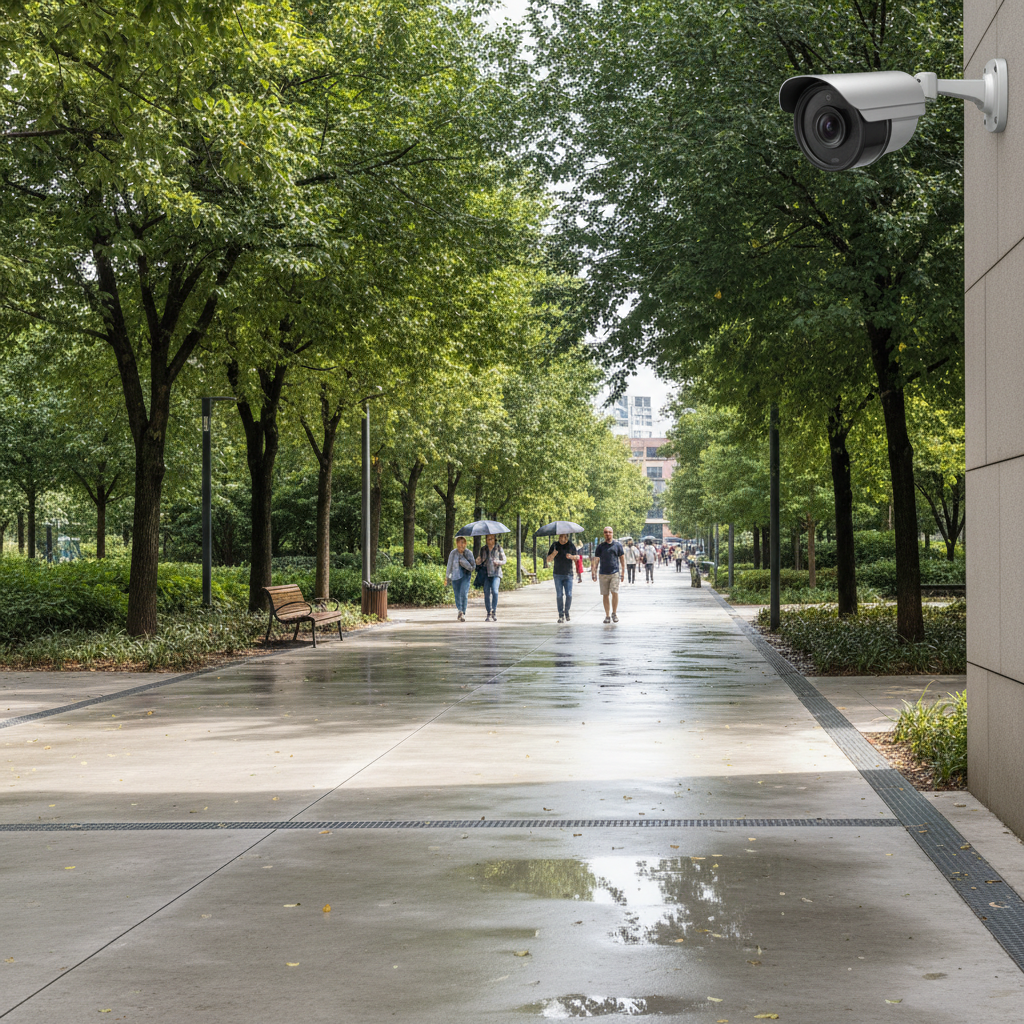
Automated image capture systems represent a paradigm shift in how businesses approach slip and fall investigations. By leveraging existing camera infrastructure, these systems can automatically detect incidents and immediately capture high-resolution photographic evidence.
This capability ensures that critical visual information, such as the exact floor conditions, presence of obstacles, or specific lighting at the time of the incident, is recorded without human intervention. The immediate capture minimizes the chance of evidence degradation or alteration.
Enhancing Accuracy and Reducing Bias
One of the primary benefits of automated image capture is the inherent objectivity it brings to the evidence collection process. Unlike human observers, automated systems do not suffer from memory lapses, emotional bias, or varying levels of attention.
Each captured image provides a verifiable, timestamped record of the incident scene, invaluable for creating an accurate timeline and understanding contributory factors. This precision significantly strengthens a business's position in claim disputes.
Accelerating Claim Resolution and Risk Mitigation
With precise, snapshot-based evidence readily available, the claims adjustment process can be significantly streamlined. Insurers and legal teams gain immediate access to crucial documentation, enabling quicker assessments and potentially faster resolution times.
Beyond individual claims, the aggregated data from automated image captures can reveal patterns and high-risk areas within a property. This intelligence supports proactive risk mitigation strategies, leading to a safer environment and reduced future incident rates.
Conclusion
The shift towards automated image capture for slip and fall documentation marks a critical advancement in enterprise security and risk management. By replacing manual, often subjective processes with objective, real-time photographic evidence, businesses can achieve greater accuracy, efficiency, and confidence in managing incidents.
This innovative approach not only strengthens a business's capacity to defend against claims but also provides actionable insights for proactive safety improvements. Solutions like Patrol Sense empower organizations to transform their existing camera infrastructure into a powerful tool for incident detection and snapshot-based claim-ready evidence.