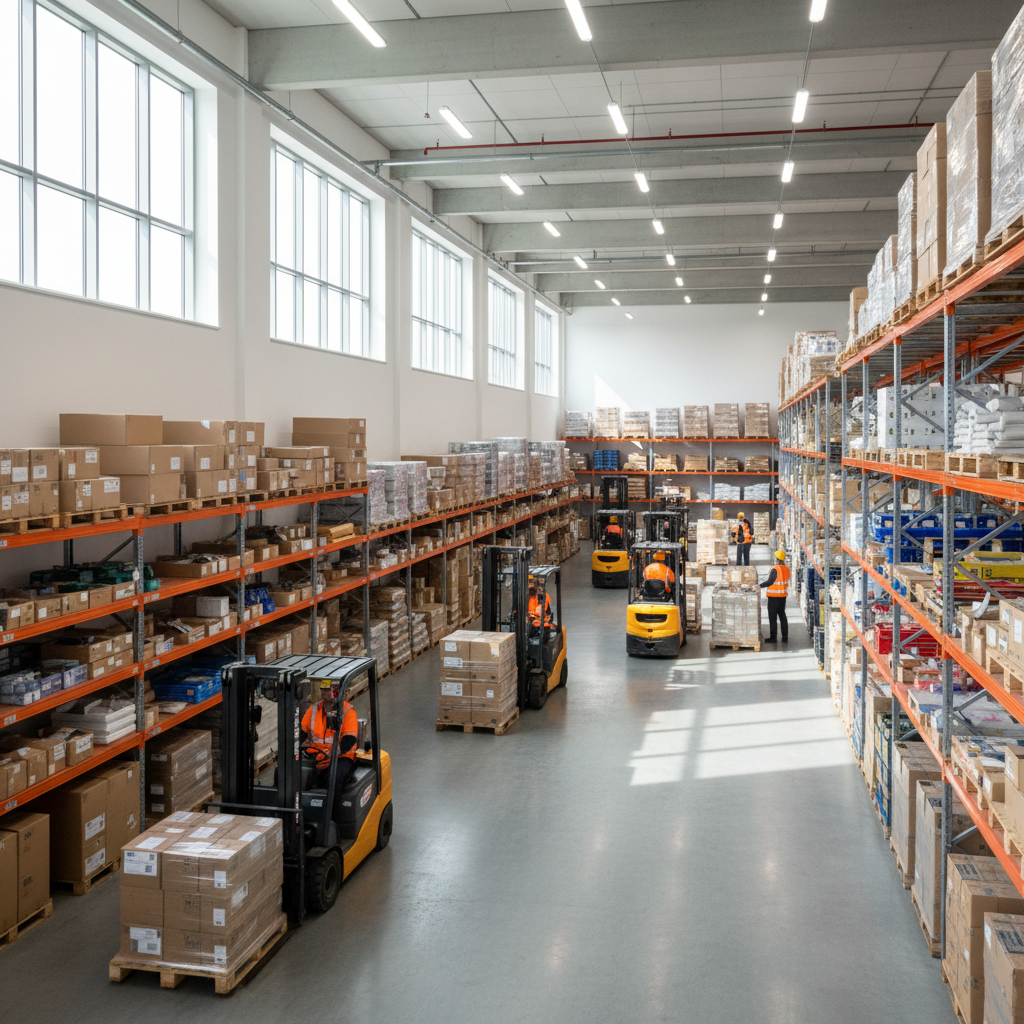
The Evolving Landscape of Warehouse Safety
Warehouses and logistics centers are dynamic environments with inherent risks, ranging from machinery accidents and material handling errors to theft and unauthorized access. Ensuring the safety of personnel and assets within these complex operations is a constant challenge for logistics managers.
Traditional safety protocols often rely on manual inspections, limited video surveillance, and incident reports filed after an event has occurred. This reactive approach can lead to delays in understanding root causes and implementing effective preventative measures.
The increasing scale and automation within modern logistics facilities further complicate safety management. Higher throughput and more sophisticated equipment demand equally sophisticated, real-time safety mechanisms.
Limitations of Traditional Safety Monitoring
Conventional CCTV systems, while pervasive, primarily serve as forensic tools, providing video footage after an incident has already taken place. This reactive nature means they often struggle to prevent accidents in real-time or provide immediate alerts.
Furthermore, sifting through hours of video footage to find relevant moments is time-consuming and resource-intensive. Human operators can also suffer from fatigue, leading to missed details or delayed responses to evolving situations.
These limitations highlight a critical gap in traditional monitoring: the lack of proactive, intelligent analysis that can identify potential hazards before they escalate into serious incidents.
AI's Role in Proactive Incident Identification
Artificial intelligence is revolutionizing warehouse safety by transforming passive surveillance into an active, intelligent monitoring system. AI-powered analytics can process visual data in real-time, detecting anomalies and potential safety violations as they occur.
This capability extends to identifying instances of improper material handling, unauthorized access to restricted areas, or even personnel deviations from established safety zones. By pinpointing these events immediately, AI enables a proactive response.
Such early detection is crucial for mitigating risks, preventing injuries, and protecting valuable inventory. It acts as a continuous digital safety officer, augmenting human oversight without tiring.
Objective, Snapshot-Based Evidence for Claims
When an incident does occur, having objective, irrefutable evidence is paramount for investigations, liability assessments, and insurance claims. AI systems can automatically capture high-resolution snapshots of critical events.
Unlike video footage, which can be cumbersome to share and review, snapshot-based evidence offers precise, time-stamped images of key moments. This ensures that only relevant visual data is captured and stored, improving efficiency and reducing privacy concerns.
This format streamlines the evidence collection process, providing clear visual documentation that supports factual accounts and helps expedite claim resolutions. It removes ambiguity and provides a clear record of what transpired.
Optimizing Operations Through Visual Data
Beyond incident prevention, AI-powered visual documentation contributes significantly to operational efficiency within warehouses. By analyzing patterns of movement, facility managers can identify bottlenecks or inefficiencies in workflow.
For example, AI can highlight areas with frequent near-misses, suggesting a need for revised traffic flows or additional signage. It can also identify underutilized spaces or areas prone to congestion.
This data-driven approach allows for continuous improvement of layouts, processes, and training, leading to a safer, more productive, and cost-effective logistics operation overall.
Conclusion
The integration of AI into warehouse and logistics safety protocols marks a significant advancement for the industry. By moving beyond reactive surveillance to proactive, intelligent monitoring and objective evidence capture, businesses can create safer working environments and more resilient supply chains.
The ability to identify potential incidents in real-time and secure clear, snapshot-based documentation streamlines operations and strengthens liability defenses. This future-forward approach ensures compliance and protects both personnel and assets.
Patrol Sense empowers logistics and warehouse operators to leverage their existing camera infrastructure for these advanced AI capabilities. By turning standard cameras into intelligent safety sentinels, Patrol Sense delivers real-time incident detection and claim-ready visual evidence, enhancing security and operational resilience without proprietary hardware.