The Overlooked Vulnerability of HVAC Systems
In commercial real estate, security strategies typically focus on main entrances, perimeters, and internal common areas. However, critical infrastructure like Heating, Ventilation, and Air Conditioning (HVAC) systems often remain significant, yet overlooked, vulnerabilities.
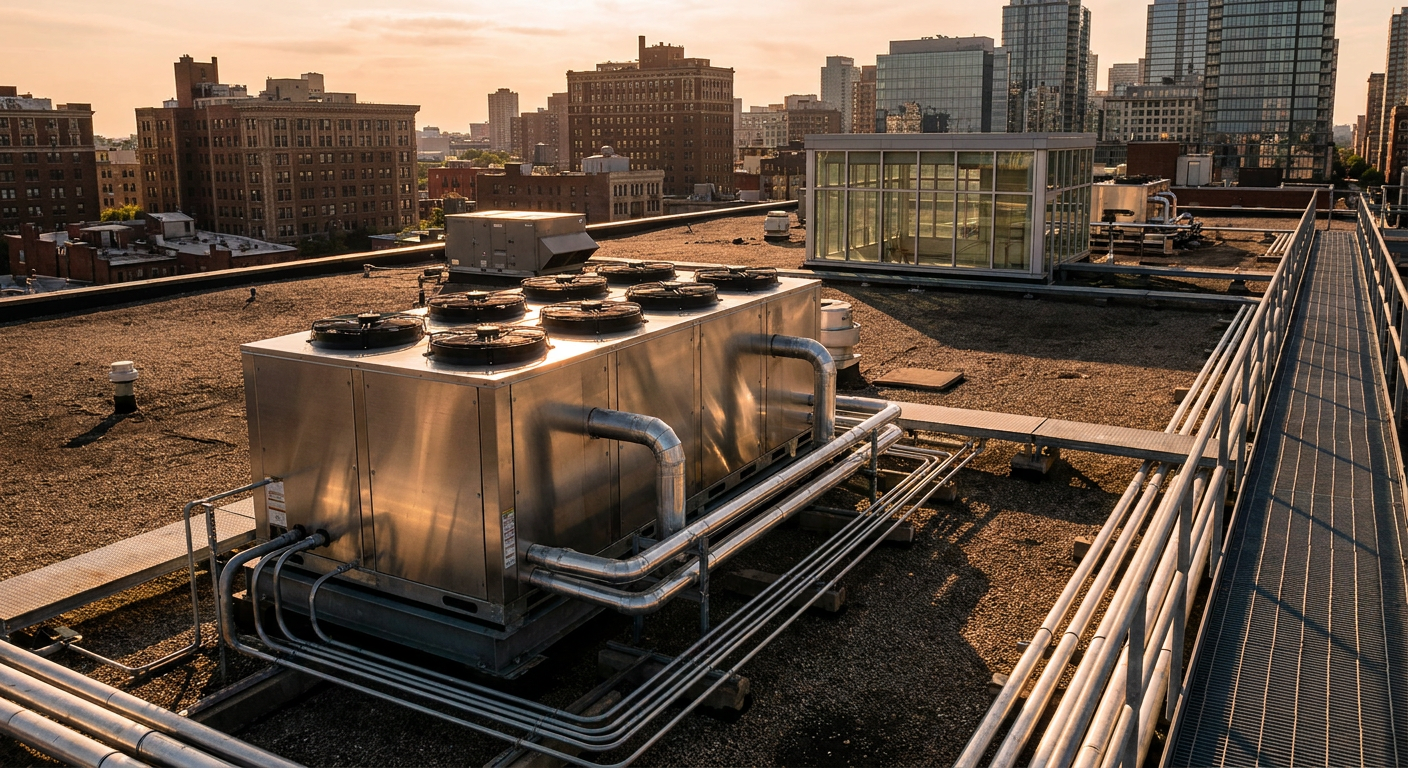
HVAC units, frequently located on rooftops or in less-trafficked outdoor areas, are susceptible to tampering, vandalism, and unauthorized access. Such incidents can lead to substantial operational disruptions, costly repairs, and even broader security breaches if used as entry points.
These systems are not just about climate control; they are integral to building operations, tenant comfort, and the protection of sensitive equipment or data housed within the property. Their exposure makes them a prime target for various malicious activities.
Beyond Traditional Security: The Need for Advanced Monitoring
Traditional security measures, such as basic surveillance cameras or periodic patrols, often fall short in providing comprehensive protection for HVAC assets. These methods typically offer reactive responses rather than proactive prevention or real-time detection.
Many existing cameras might capture footage, but without intelligent analysis, critical events can be missed or identified too late. The sheer volume of video data makes manual review impractical and inefficient for identifying specific threats to HVAC units.
A more advanced approach is needed to effectively monitor these crucial components, ensuring that any suspicious activity is immediately recognized and addressed before it escalates into a major incident or operational failure.
AI Visuals: A New Frontier for Critical Infrastructure Protection
Artificial intelligence (AI) powered visual monitoring introduces a paradigm shift in how commercial properties can secure their HVAC systems. By leveraging existing camera infrastructure, AI can transform passive surveillance into active threat detection.
AI algorithms are trained to identify specific behaviors, objects, or anomalies indicative of unauthorized access or tampering around HVAC units. This includes detecting individuals in restricted areas, unusual movements, or objects being left near equipment.
This capability extends security coverage to areas previously difficult to monitor effectively, providing continuous vigilance without requiring constant human oversight.
Real-time Incident Detection and Snapshot-Based Evidence
One of the primary benefits of AI visual security for HVAC systems is its ability to provide real-time incident detection. As soon as an anomaly or suspicious event occurs, the system can instantly alert security personnel.
Crucially, these alerts are accompanied by snapshot-based evidence, capturing the exact moment of concern. This 'snapshot-only' approach avoids privacy concerns associated with continuous video recording, focusing solely on actionable intelligence.
This immediate, precise evidence allows security teams to triage incidents quickly, dispatch appropriate responders, and assess the nature of the threat with greater accuracy. The detailed visual documentation supports rapid investigation and mitigation efforts.
Enhancing Operational Resilience and Reducing Risk
Proactively securing HVAC systems with AI visuals significantly enhances a commercial property's operational resilience. Preventing tampering or damage to these units safeguards against system failures, ensuring uninterrupted building services.
Reduced downtime stemming from HVAC incidents translates directly into lower operational costs and improved tenant satisfaction. Furthermore, mitigating these vulnerabilities helps prevent potential use of HVAC access points for broader security breaches.
The clear, claim-ready evidence generated by AI systems can also streamline insurance claims processes, providing irrefutable documentation of incidents, their timing, and their nature. This reduces ambiguity and expedites resolution.
Conclusion
HVAC systems represent a critical component of commercial real estate infrastructure, demanding a sophisticated and proactive security approach. The integration of AI visual monitoring transforms these often-neglected areas into intelligently protected zones.
By providing real-time detection and precise, snapshot-based evidence, AI not only deters malicious activity but also empowers security teams to respond with unprecedented speed and accuracy. This significantly strengthens overall property security posture and operational continuity.
For commercial real estate professionals looking to bolster their infrastructure defenses without costly hardware overhauls, Patrol Sense offers a robust solution. Its AI security platform leverages your existing cameras to provide instant, actionable insights, turning potential HVAC vulnerabilities into points of proactive protection.