Enhancing Construction Site Safety Through Visual Data
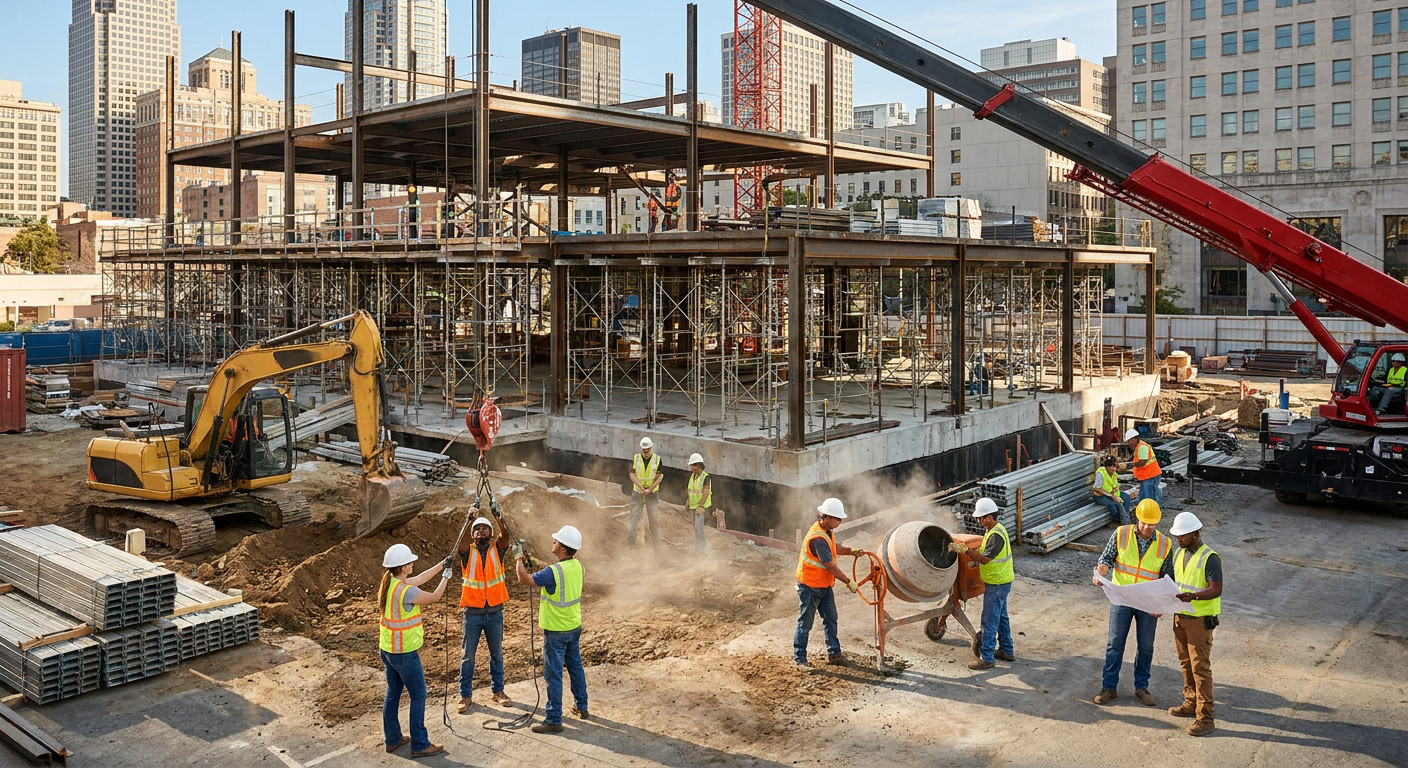
Construction sites are dynamic environments, inherently presenting complex safety challenges. Traditional monitoring methods often struggle to keep pace with the constant changes in personnel, equipment, and structural progress. This can lead to missed hazards and delayed interventions, increasing both risk and operational costs.
Leveraging existing camera infrastructure, advanced AI platforms can transform static video feeds into actionable safety intelligence. This involves analyzing visual data in real-time to detect anomalies and potential risks that might otherwise go unnoticed. The goal is to move beyond reactive incident response to proactive hazard prevention.
By focusing on visual cues, AI systems can help identify dangerous practices or conditions before they escalate. This capability is crucial for maintaining a safe working environment and protecting both workers and assets on site.
Proactive Hazard Identification and Risk Mitigation
One of the most significant benefits of AI in construction safety is its ability to proactively identify hazards. This includes detecting potential slip, trip, and fall risks, unauthorized access to restricted areas, or improper use of personal protective equipment (PPE). The AI learns what constitutes normal activity and flags deviations.
Beyond simple detection, these systems can analyze patterns over time to pinpoint high-risk zones or recurring unsafe behaviors. This data informs targeted safety training and procedural adjustments, leading to a more robust safety culture. The objective is to mitigate risks before they result in injury or damage.
Early identification of issues means site managers can intervene swiftly, preventing incidents rather than merely documenting them after the fact. This shift from post-event analysis to pre-event prevention is a cornerstone of modern safety management.
Optimizing Workflow for Efficiency and Compliance
AI's capabilities extend beyond just safety to encompass workflow optimization. By visually monitoring activity across the site, the system can identify bottlenecks, evaluate equipment utilization, and assess adherence to project timelines. This holistic view enhances overall operational efficiency.
Ensuring compliance with safety regulations and site-specific protocols is also streamlined through AI visual analytics. The platform can detect when workers enter hazardous zones without proper authorization or when equipment is operated outside designated areas. This automatic monitoring reduces the burden on human supervisors.
Improved workflow translates directly into project acceleration and cost savings. By understanding how work flows—or where it gets stuck—site management can make data-driven decisions to optimize resource allocation and improve productivity.
Enhancing Evidence Collection and Incident Response
In the event of an incident, accurate and timely evidence is critical for investigations, insurance claims, and compliance reporting. AI systems automatically capture snapshot-based evidence of unusual events, providing an unbiased record of the incident's context.
This snapshot evidence, which focuses on specific moments of interest rather than continuous video streams, is particularly valuable. It offers clear, concise visual documentation that can support liability assessments and help prevent future occurrences. The clarity of this evidence streamlines the entire post-incident process.
The ability to rapidly retrieve relevant visual documentation significantly reduces the time and effort traditionally spent on manual video review. This efficiency in evidence collection ensures that incidents are addressed promptly and thoroughly, minimizing disruption to site operations.
Seamless Integration with Existing Infrastructure
A key advantage of modern AI security platforms is their ability to integrate with existing camera systems. Construction sites already invest heavily in surveillance for security and progress monitoring. These existing cameras can be repurposed and enhanced without the need for expensive proprietary hardware.
This approach minimizes initial investment and deployment complexities, allowing construction firms to leverage their current assets more effectively. The focus is on intelligence derived from visual data, not on replacing functional hardware.
The flexibility to use a wide range of camera types and brands ensures that AI-powered safety and workflow optimization can be implemented across diverse construction projects, from small-scale developments to large infrastructure builds.
Conclusion
The modern construction landscape demands innovative solutions to address complex safety and operational challenges. AI-powered visual analysis provides a robust framework for proactive hazard identification, workflow optimization, and efficient incident documentation.
By transforming existing camera feeds into intelligent, actionable insights, construction firms can significantly enhance their safety protocols and operational efficiency. This proactive approach not only protects personnel and assets but also contributes to better project outcomes and reduced liability.
Patrol Sense empowers construction managers to achieve these benefits by turning their existing cameras into real-time incident detection systems, providing snapshot-based, claim-ready evidence without requiring any proprietary hardware.