The Evolving Landscape of Supply Chain Risk
Modern supply chains are increasingly complex and vulnerable to disruptions, from natural disasters and geopolitical events to theft and operational inefficiencies. These disruptions can lead to significant financial losses, reputational damage, and costly delays.
Traditional security measures often provide reactive insights, addressing issues only after they have escalated. Enterprises require more proactive and granular visibility into their logistics operations to identify and mitigate risks faster.
Beyond Traditional Surveillance: The Need for Intelligent Monitoring
Conventional camera systems offer a valuable deterrent but often lack the intelligence to convert raw footage into actionable insights. Security personnel can be overwhelmed by the sheer volume of video data, making real-time threat detection challenging.
Intelligent monitoring, specifically AI-powered visual verification, transforms passive surveillance into an active risk mitigation tool. It allows businesses to automatically detect specific events and anomalies that indicate potential disruptions or security breaches.
Enhancing In-Transit and Warehouse Security
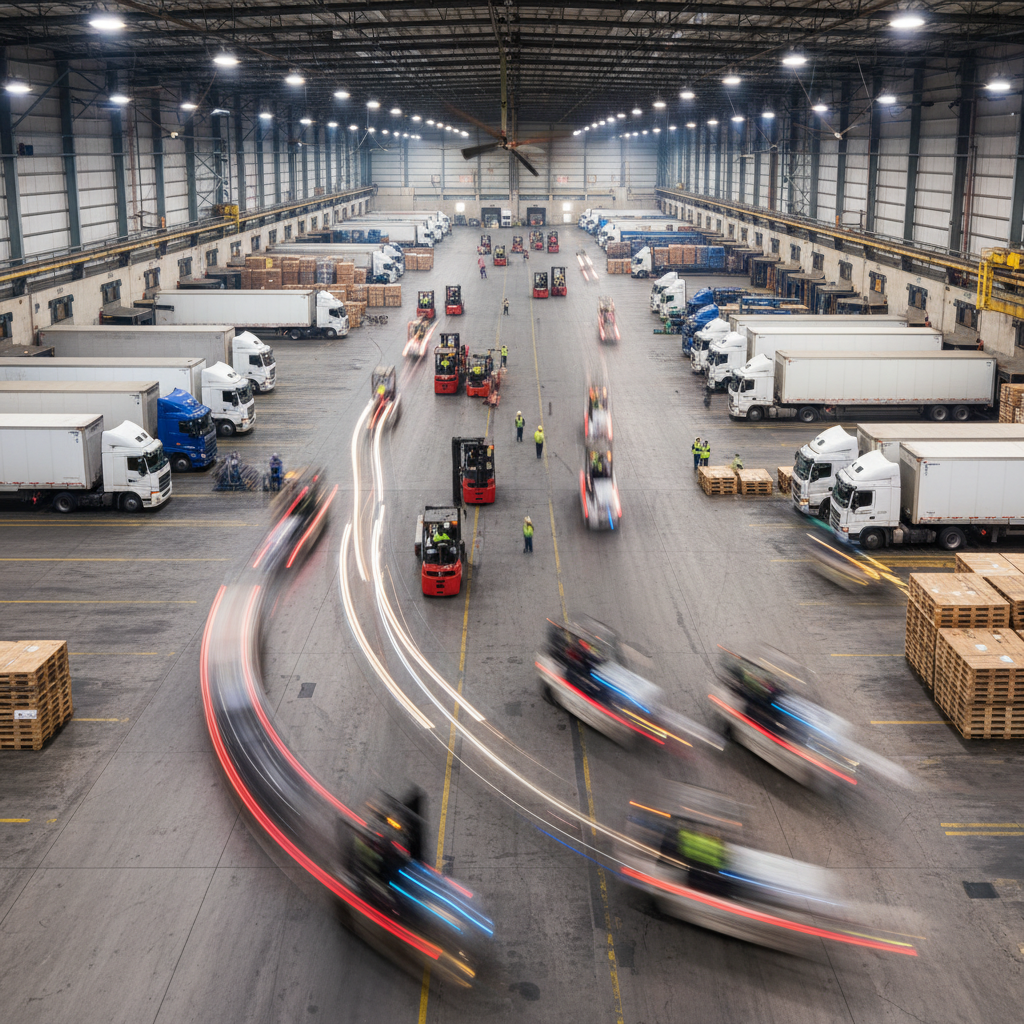
Within warehouses and distribution centers, visual verification can monitor critical zones such as loading docks, storage areas, and access points. It detects unauthorized access, package tampering, or unusual activity that could signal theft or operational issues.
While in-transit challenges remain complex, applying AI at key transfer points – such as hand-offs between carriers, container loading, and customs checks – provides critical visual checkpoints. This creates a robust chain of custody record, deterring pilferage and providing concrete evidence should incidents occur.
Streamlining Incident Response and Evidence Collection
When an incident occurs within the supply chain, rapid and accurate documentation is paramount. AI-powered visual verification automates the creation of detailed, snapshot-based evidence whenever an anomaly is detected.
This claim-ready documentation includes specific timestamps and visual context, significantly improving the efficiency of investigations and insurance claims. It reduces investigation times and helps assign accountability quickly, minimizing the financial impact of disruptions.
Proactive Risk Identification and Operational Optimization
Beyond immediate incident response, the data collected by AI visual verification systems offers long-term benefits for risk identification. By analyzing patterns of alerts and incidents, businesses can identify recurring vulnerabilities in their supply chain.
This data-driven approach enables proactive adjustments to security protocols, operational workflows, and even vendor selection. It shifts the focus from reactive damage control to continuous improvement and enhanced resilience against future disruptions.
Conclusion
Effective supply chain risk management is no longer a luxury but a necessity for enterprise resilience. Leveraging existing camera infrastructure with AI-powered visual verification provides an intelligent, scalable path to greater security and operational oversight.
By delivering real-time incident detection and verifiable snapshot evidence, enterprises can significantly mitigate the impact of disruptions. Patrol Sense empowers businesses to transform their existing cameras into powerful tools for safeguarding their supply chains, ensuring efficiency, and protecting assets from origin to destination.