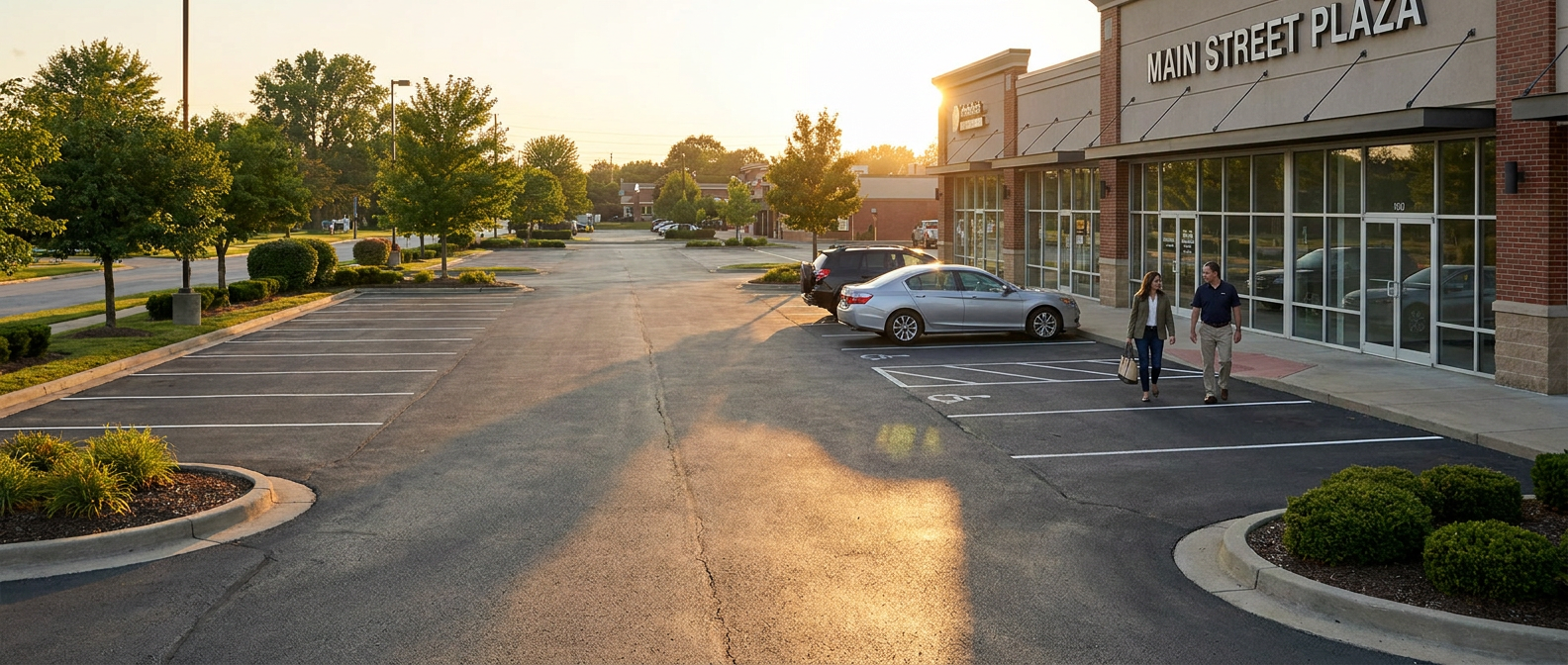
The Pervasive Challenge of Parking Lot Incidents
Parking lots are high-traffic areas, making them frequent sites for various incidents. From minor vehicle collisions and hit-and-runs to property damage, vandalism, and personal injuries, the spectrum of potential events is broad.
Each incident carries financial implications, including insurance claims, increased premiums, potential lawsuits, and operational disruptions. Without clear, objective evidence, resolving these incidents can be prolonged and costly.
Traditional security measures often fall short, providing either insufficient coverage or video footage that is too lengthy to review efficiently. This leaves businesses vulnerable to unsubstantiated claims and protracted disputes.
The Burden of Proof in Incident Claims
When an incident occurs in a parking lot, establishing liability and validating claims is paramount. Businesses are often challenged to produce irrefutable evidence to support their position or refute false allegations.
The absence of reliable documentation can lead to costly settlements, reputation damage, and a loss of trust. Insurers rely heavily on evidence to process claims accurately, making robust documentation a critical component of risk management.
Eyewitness accounts can be unreliable, and standard video surveillance often requires extensive manual review to pinpoint relevant moments. This manual burden impacts efficiency and can delay resolution.
Introducing AI-Driven Visual Evidence for Claims Mitigation
Artificial intelligence is transforming how businesses approach parking lot incident claims. By leveraging existing camera infrastructure, AI platforms can autonomously monitor and detect specific events.
Instead of continuous video recordings, these systems generate snapshot-based evidence focused precisely on the moment an incident is detected. This targeted approach ensures that only relevant visual data is captured and stored.
This shift from reactive, manual review of lengthy video to proactive, automated snapshot capture significantly streamlines the evidence collection process. It provides an objective, time-stamped record of events as they unfold.
How Snapshot-Based Evidence Transforms Claims Resolution
Snapshot-based evidence offers a powerful advantage in claims resolution. Each snapshot serves as a concise, immutable piece of data, capturing the critical moment of an incident without the privacy concerns associated with continuous video.
This precise documentation helps to quickly verify the details of an incident, establish timelines, and identify involved parties. It provides insurance adjusters with clear, actionable insights, accelerating the claims process.
By offering irrefutable visual proof, businesses can minimize disputes, deter fraudulent claims, and reduce their overall liability exposure. This leads to faster claim payouts and a reduction in legal expenditures.
Beyond Reactive: Proactive Benefits for Parking Lot Management
While crucial for claims, AI-driven visual evidence also offers proactive benefits for parking lot management. Automated detection can highlight recurring issues or specific hotspots for incidents.
By analyzing incident patterns derived from snapshot data, businesses can identify areas needing improved lighting, signage, or traffic flow. This enables targeted interventions to enhance safety and prevent future occurrences.
Ultimately, integrating AI into parking lot security elevates the overall safety and operational efficiency of the property. It moves beyond simple surveillance to intelligent, actionable insight.
Conclusion
Managing parking lot incidents effectively requires a modern approach to evidence collection and claims mitigation. Traditional methods are often inefficient, costly, and lack the precision needed for swift resolution.
AI-driven visual evidence, focusing on real-time incident detection and snapshot-based documentation, provides an objective, secure, and legally admissible solution. This technology empowers businesses to navigate claims with confidence.
Patrol Sense excels in transforming existing camera infrastructure into a sophisticated incident detection system. It delivers claim-ready, snapshot-only evidence that significantly improves the efficiency and accuracy of parking lot incident resolution.