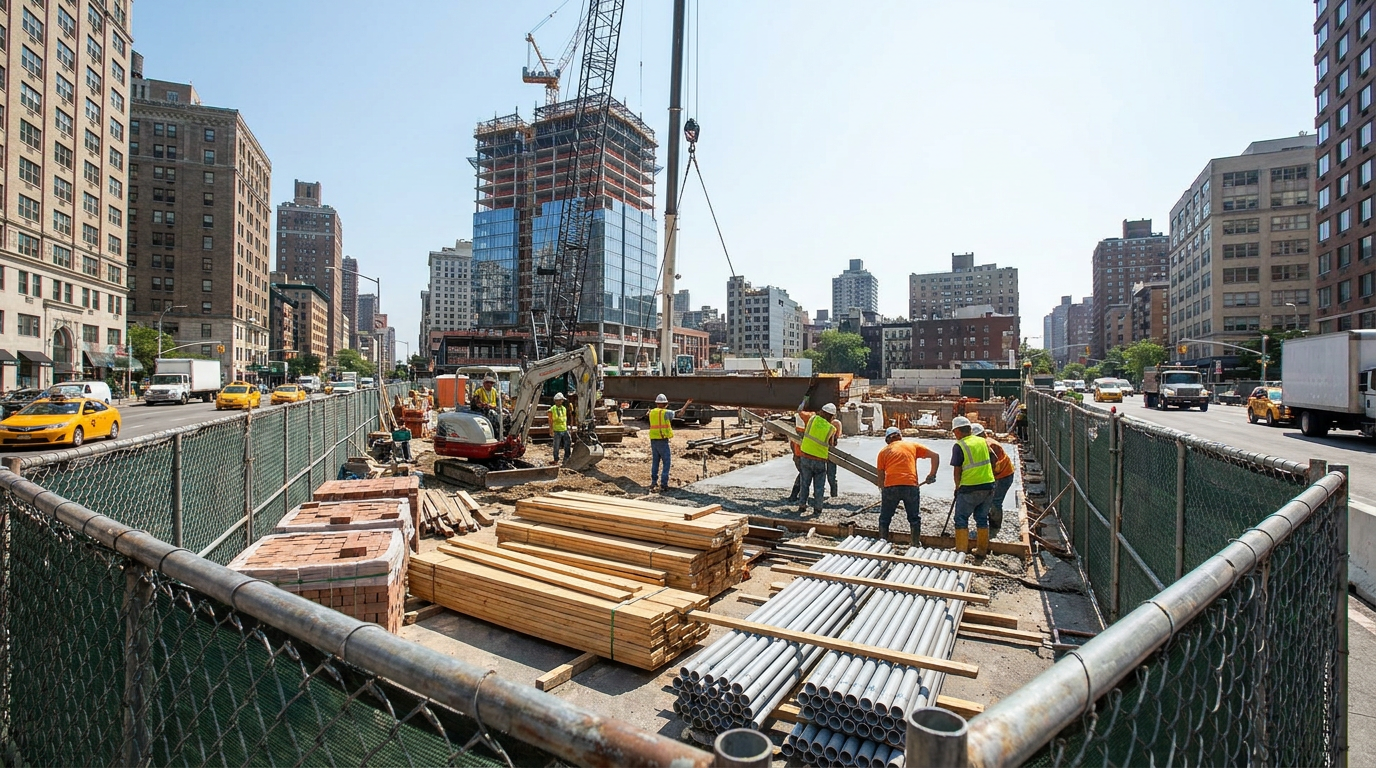
The High Stakes of Construction Site Liability
Construction sites are inherently dynamic and hazardous environments, leading to a significant number of workplace incidents, thefts, and compliance challenges. Each incident carries substantial financial and reputational risks, often resulting in costly claims, operational delays, and increased insurance premiums.
Traditional incident response often relies on delayed reporting and manual investigations, which can lack comprehensive, objective evidence. This gap in documentation frequently complicates liability assessments, making it difficult to accurately reconstruct events or defend against unwarranted claims.
From worker safety violations to equipment theft and unauthorized access, the potential for liability is pervasive. Proactive measures and robust evidentiary support are critical for effectively managing these complex risks throughout a project's lifecycle.
Beyond Reactive: Proactive Incident Prevention
While reactive incident response is necessary, the true value lies in proactive prevention and early detection. Identifying potential hazards or suspicious activity before it escalates into an incident can significantly reduce financial losses and improve safety records.
Leveraging existing visual infrastructure on a construction site allows for continuous monitoring without the need for additional, specialized hardware. This approach transforms standard security cameras into intelligent sensors capable of detecting deviations from normal operations.
Proactive identification of potential risks, such as workers entering restricted areas without proper PPE or abandoned materials creating tripping hazards, enables timely intervention. This shifts security from a passive recording function to an active risk mitigation tool.
AI-Powered Visuals: The New Standard for Evidence
The cornerstone of effective liability prevention and claims defense is indisputable evidence. AI-powered visual documentation offers a forensic level of detail, providing objective snapshot-based records of incidents as they unfold, not just after the fact.
Unlike continuous video, which can be cumbersome to review and store, AI platforms intelligently capture specific, event-triggered snapshots. These high-resolution images are time-stamped and contextually relevant, creating a powerful visual timeline.
This precise documentation can verify compliance with safety protocols, identify the exact moment and cause of an incident, or provide proof of unauthorized entry. Such granular data is invaluable for investigations, insurance claims, and legal proceedings.
Enhancing Compliance and Safety Protocols
AI visual analysis can actively monitor adherence to critical safety regulations and site-specific protocols. This includes detecting the absence of hard hats, safety vests, or other required personal protective equipment (PPE) in designated areas.
Automated alerts can notify site managers in real-time when a potential compliance breach is detected. This allows for immediate corrective action, reinforcing a culture of safety and reducing the likelihood of accidents caused by non-compliance.
Furthermore, detailed visual records provide an audit trail for safety managers. This enables them to pinpoint recurring issues, refine training programs, and demonstrate due diligence to regulatory bodies and insurance providers.
Streamlining Claims and Reducing Litigation
When incidents do occur, comprehensive AI-generated evidence significantly streamlines the claims process. Clear, snapshot-based documentation eliminates ambiguity, helping insurance adjusters quickly assess fault and damages.
This level of verifiable evidence deters fraudulent claims and strengthens a company's position in legitimate disputes. The ability to present an objective visual record minimizes the reliance on subjective accounts or incomplete information.
Ultimately, robust visual documentation can lead to faster claim resolutions, reduced legal costs, and more favorable outcomes. It transforms the often-contentious claims environment into a data-driven, fact-based process.
Conclusion
Mitigating liability on construction sites requires a proactive, evidence-based approach that goes beyond traditional security measures. By harnessing existing camera infrastructure and advanced AI, businesses can transform their safety and risk management strategies.
The ability to prevent incidents, ensure compliance, and provide undeniable visual evidence is paramount in an industry laden with potential risks. This intelligent approach not only protects assets and personnel but also safeguards financial stability and reputation.
Patrol Sense empowers construction firms to turn their existing cameras into an intelligent incident detection system. By providing snapshot-based, claim-ready evidence, Patrol Sense helps companies mitigate liability, enhance safety, and streamline incident response without the need for proprietary hardware.