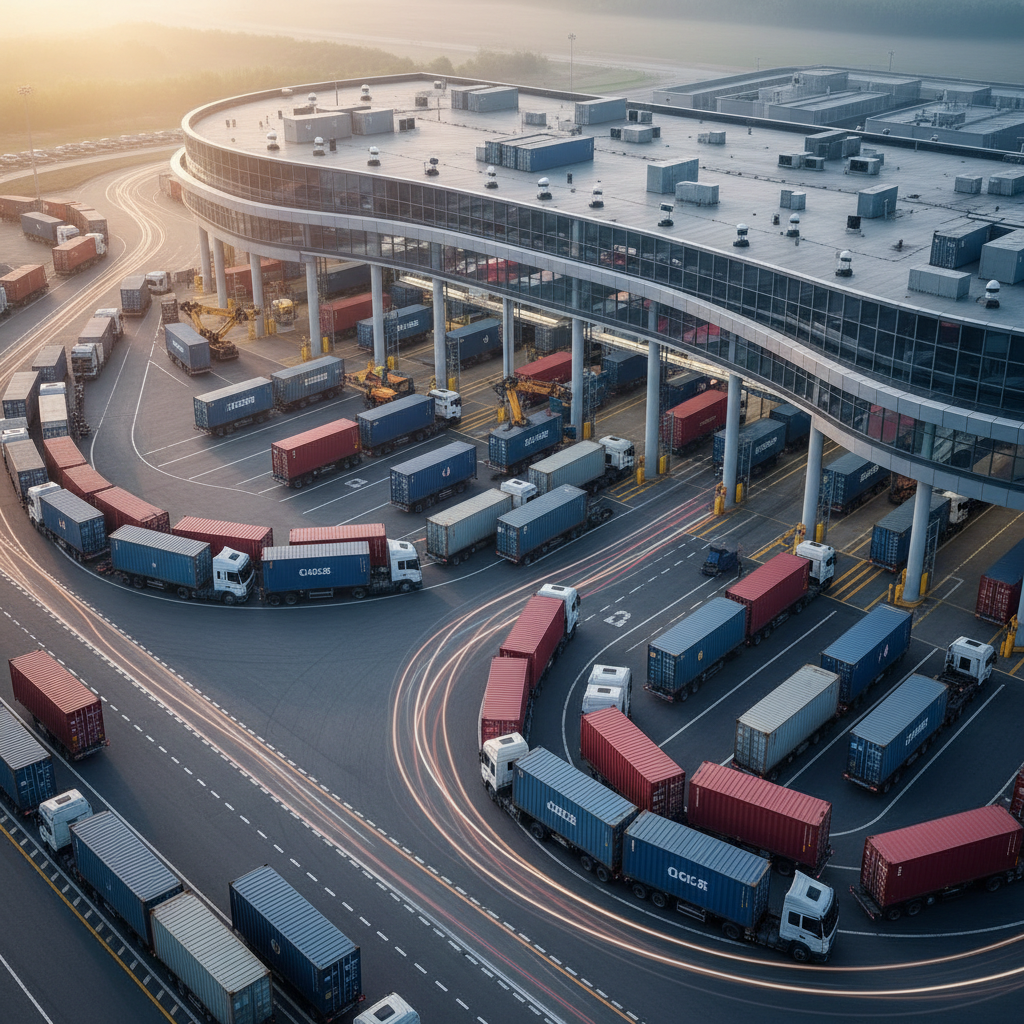
The Evolving Landscape of Supply Chain Risk
Modern supply chains are complex, global networks connecting numerous touchpoints from raw materials to end-user delivery. This intricate web, while efficient, introduces myriad points of potential vulnerability.
Traditional security measures often focus on isolated incidents, neglecting the systemic risks inherent in interconnected operations. Disruptions can stem from natural disasters, geopolitical instability, theft, or internal breaches.
Enterprises must now contend with an expanded definition of risk, one that encompasses not just direct financial loss but also reputational damage, operational downtime, and compliance penalties. Proactive identification and mitigation are paramount.
Identifying Critical Vulnerability Points
Within any supply chain, certain nodes represent heightened risk. These 'chokepoints' can include manufacturing facilities, distribution centers, intermodal transfer points, and even last-mile delivery operations.
Lack of real-time visibility into these areas can delay the detection of anomalies, allowing minor incidents to escalate rapidly. Identifying these critical points is the first step towards robust security.
Beyond physical theft, risks include unauthorized access, sabotage, environmental damage to goods, and non-compliance with transport regulations. A thorough risk assessment must account for these diverse threats.
Leveraging AI for Predictive Risk Mitigation
Artificial intelligence offers a transformative approach to supply chain security, moving beyond reactive responses to predictive mitigation. AI can analyze vast datasets from existing security infrastructure to identify patterns indicative of emerging threats.
By continuously monitoring operations at critical junctures, AI systems can flag unusual activities that might escape human observation. This includes deviations in expected material flow, unauthorized access attempts, or inconsistencies in asset tracking.
The ability to detect subtle indicators of potential issues allows security teams to intervene proactively, often preventing incidents before they cause significant disruption or loss. This shifts the paradigm from recovery to prevention.
Real-time Situational Awareness for Logistics
Effective supply chain risk management hinges on comprehensive, real-time situational awareness. This means having an accurate understanding of current conditions across all critical nodes simultaneously.
Integrated AI security platforms can provide a consolidated view of security events, correlating data from various camera feeds and sensors. This unified perspective empowers faster, more informed decision-making.
Evidence from these systems provides an objective record of events, crucial for investigations, insurance claims, and continuous improvement. It transforms subjective observations into actionable, verifiable data.
Enhancing Operational Continuity and Resilience
A robust security posture directly contributes to operational continuity and supply chain resilience. By reducing the likelihood and impact of disruptions, businesses can maintain consistent service levels and protect revenue streams.
The integration of AI security into supply chain operations not only deters illicit activities but also provides valuable insights into operational inefficiencies. Analyzing security data can reveal bottlenecks or areas requiring process optimization.
This holistic approach strengthens the entire supply chain, making it more adaptable to unforeseen challenges and less susceptible to common vulnerabilities. It is an investment in long-term stability and competitive advantage.
Conclusion
In an era of increasing supply chain complexity and evolving threats, robust risk management is no longer optional—it's foundational. Advanced security integration, powered by AI, provides the critical intelligence and proactive capabilities required to protect valuable assets and maintain operational integrity.
By transforming existing cameras into intelligent detection systems, solutions like Patrol Sense enable enterprises to gain unparalleled real-time visibility and generate irrefutable, snapshot-based evidence, precisely when and where it's needed most in their sprawling supply networks.