The Evolution of Smart Building Management
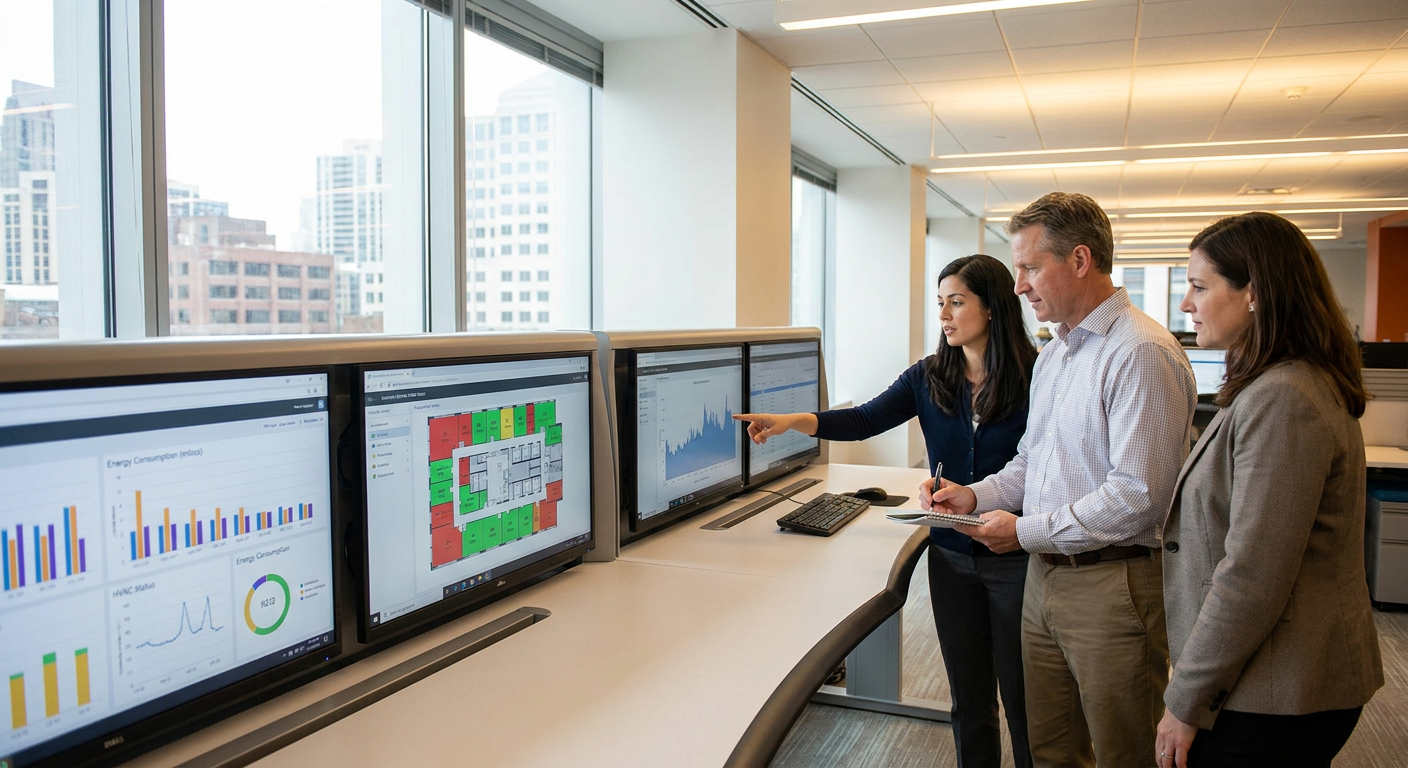
Smart buildings integrate advanced technologies to optimize performance, comfort, and resource efficiency. Their promise lies in data-driven decision-making, from climate control to space utilization. This interconnectedness, while beneficial, also introduces new layers of complexity for security and operational oversight.
Traditional security approaches often operate in silos, reacting to incidents rather than preventing them. This reactive stance can undermine the very benefits smart buildings aim to deliver, leading to inefficiencies and increased risk. A truly smart building requires a security paradigm that aligns with its intelligent infrastructure.
Beyond Reactive: Embracing Proactive Security
Proactive security leverages artificial intelligence to move beyond simple surveillance. Instead of merely recording events, AI analyzes visual data in real-time to identify anomalies and potential threats before they escalate. This shift transforms security from a cost center into an operational asset.
For smart building managers, this means gaining critical foresight into a wide array of potential issues. From unauthorized access attempts to subtle signs of equipment malfunction or safety hazards, AI can provide early warnings. This capability allows for timely intervention, mitigating risks and preventing disruptions.
Unlocking Existing Camera Infrastructure for AI Intelligence
A significant barrier to adopting advanced security solutions has often been the perceived need for extensive hardware upgrades. However, modern AI platforms are designed to integrate seamlessly with existing camera infrastructure. This eliminates the need for costly rip-and-replace projects, making smart security accessible and scalable.
By retrofitting existing cameras with AI capabilities, smart buildings can instantly enhance their security posture. This approach turns dormant cameras into intelligent sensors capable of real-time analysis, maximizing the return on prior technology investments. It ensures that every visual input contributes to a more secure and efficient environment.
Operational Efficiency Through AI-Driven Insights
Proactive AI security extends its value far beyond incident prevention. By continuously monitoring and analyzing visual data, it generates actionable insights that can inform operational improvements. This includes optimizing staffing levels, identifying traffic patterns, and even detecting maintenance needs.
The ability to automatically document visual incidents with timestamped evidence streamlines various operational processes. From managing vendor access to verifying service deliveries, AI provides an impartial and accurate record. This reduces manual oversight, minimizes disputes, and frees up personnel for higher-value tasks.
Enhancing Occupant Safety and Experience
The ultimate goal of a smart building is to provide a safe, comfortable, and productive environment for its occupants. Proactive AI security directly contributes to this by reducing the likelihood of incidents and ensuring rapid response when they do occur. This creates a greater sense of security for everyone within the building.
Moreover, by enabling more efficient facility management and incident resolution, AI helps maintain the seamless operation of building services. This indirectly enhances the occupant experience by preventing disruptions and ensuring a well-maintained, responsive environment. It's security that supports the entire building ecosystem.
Building Resilience and Mitigating Liability
In today's complex operational landscape, building resilience is paramount. Proactive AI security strengthens a building's ability to withstand and recover from potential threats, from security breaches to operational anomalies. The continuous, intelligent monitoring provides a robust layer of defense.
Furthermore, the precise, snapshot-based evidence generated by AI systems can be invaluable for liability mitigation. In the event of an incident, having clear, unbiased documentation simplifies investigations, expedites claims, and supports compliance. This reinforces the building's operational integrity and protects its stakeholders.
Conclusion
The future of smart building operations is intrinsically linked to intelligent, proactive security. By moving beyond reactive measures and harnessing the power of AI, building managers can achieve unprecedented levels of efficiency, safety, and operational insight. This transformation doesn't require overhauling existing infrastructure but rather augmenting it with smart capabilities.
Platforms like Patrol Sense exemplify this evolution, turning existing camera networks into powerful real-time incident detection systems. By providing snapshot-based, claim-ready evidence without proprietary hardware, Patrol Sense enables smart buildings to realize their full potential for secure, optimized, and resilient operations.