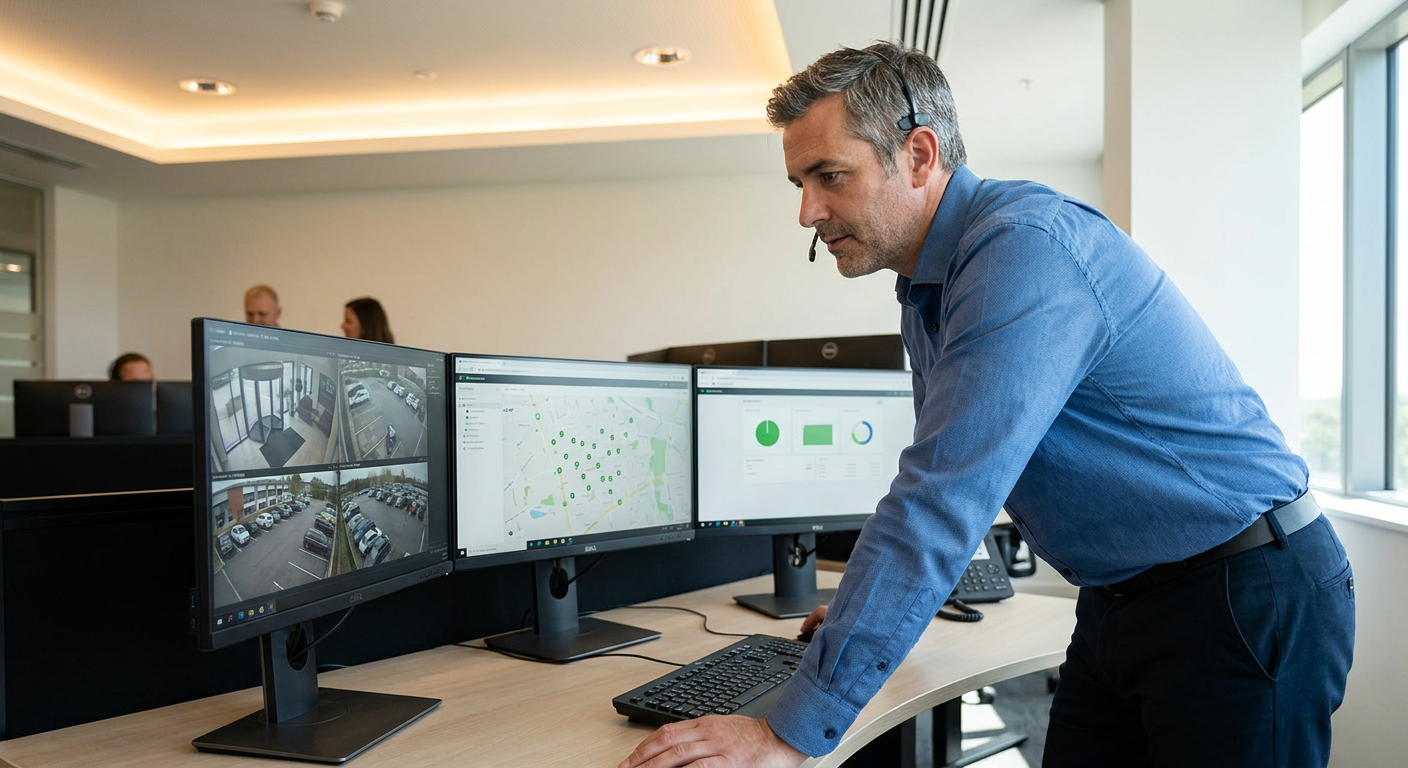
The Evolution of Smart Building Security
Smart buildings leverage interconnected systems to automate and optimize environmental controls, energy management, and occupant comfort. Historically, security in these environments relied heavily on traditional access control, alarm systems, and guard patrols. While effective, these methods were often reactive, addressing incidents only after they occurred.
The increasing complexity and scale of modern commercial properties demand a more sophisticated approach. Buildings now generate vast amounts of data, creating an opportunity to move beyond simple automation. This shift is crucial for maintaining both physical security and operational efficiency.
Beyond Reactive: Embracing Proactive Security with AI
The integration of Artificial Intelligence marks a paradigm shift in smart building security, transforming it from a reactive function into a proactive one. AI allows security systems to analyze live feeds from existing cameras, identifying anomalous behaviors or potential threats before they escalate into full-blown incidents. This capability is vital for mitigating risks and protecting assets and personnel.
Proactive security isn't just about preventing crime; it also encompasses detecting operational inefficiencies or safety hazards. For instance, AI can identify a blocked emergency exit or an unattended package, prompting immediate action. This foresight reduces response times and minimizes potential damage or disruption.
Leveraging Existing Infrastructure for Enhanced Intelligence
A significant advantage of AI-driven security platforms is their ability to integrate seamlessly with existing camera infrastructure. Property owners and facility managers do not need to invest in proprietary hardware or undergo expensive overhauls. This approach maximizes previous technology investments while upgrading capabilities.
By turning existing cameras into intelligent sensors, AI systems can monitor vast areas without requiring additional human resources. This scalability makes advanced security accessible to a wider range of smart buildings, from corporate campuses to retail complexes and multi-family residences. The focus shifts from merely recording to actively understanding visual data.
Real-time Incident Detection and Actionable Insights
The core of proactive AI security lies in its real-time incident detection capabilities. AI models are trained to recognize specific events, from unauthorized access and suspicious loitering to slip-and-fall hazards or even early signs of smoke and fire. When an event is detected, the system immediately generates an alert.
Crucially, these alerts are often accompanied by snapshot-based evidence, providing instant visual context for security teams. This immediate, clear evidence streamlines decision-making and ensures a rapid, informed response. It eliminates the need to sift through hours of video footage, accelerating investigations and facilitating faster resolutions.
Operational Resilience and Risk Mitigation
Implementing AI in smart building security significantly enhances operational resilience. By anticipating and mitigating potential issues, buildings can avoid disruptions that impact business continuity. This includes minimizing damage from security breaches, reducing insurance claim risks, and maintaining a safer environment for occupants.
Moreover, the continuous monitoring and data analysis provided by AI contribute to a broader understanding of building activity patterns. This data can inform long-term security strategies, optimize staffing, and identify areas for physical improvements, fostering a truly data-driven approach to safety and operations.
Conclusion
The future of smart building security is proactive, intelligent, and deeply integrated into operational workflows. By moving beyond traditional reactive measures, building managers can create safer, more efficient, and resilient environments. This evolution is not just about technology; it's about transforming how we perceive and manage security risks in the built environment.
Platforms like Patrol Sense exemplify this shift, empowering smart buildings to leverage their existing camera infrastructure for real-time incident detection and actionable, snapshot-based evidence. This capability significantly enhances proactive security posture, enabling faster responses and better outcomes for all stakeholders.