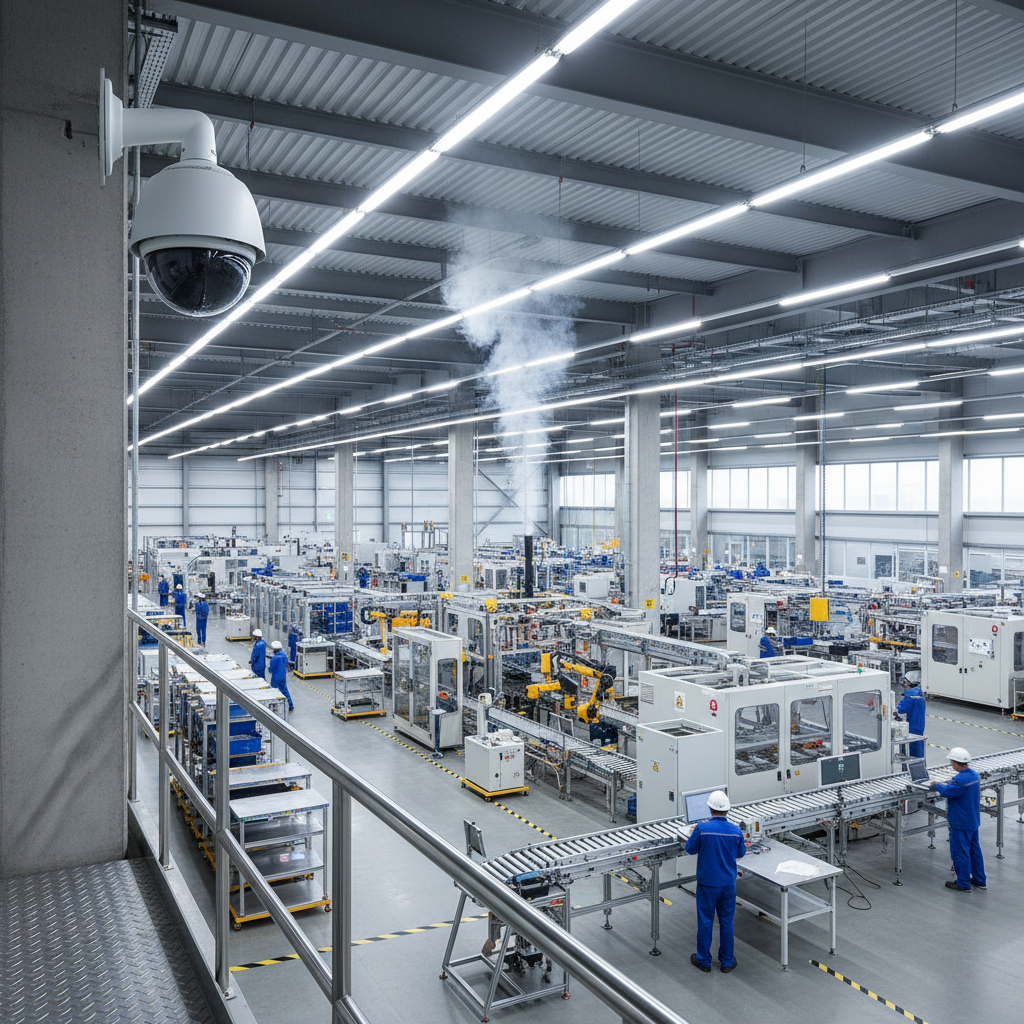
The Evolution of Fire and Smoke Detection
Traditional fire detection systems, such as smoke detectors, are critical but often react once a fire is already established. These systems rely on physical contact with smoke or heat to trigger an alarm. While effective, they may not provide the earliest possible warning, especially in large, open environments.
The evolution of security technology has led to the integration of visual analytics into fire prevention strategies. By leveraging existing camera networks, businesses can detect the nascent stages of fire or smoke. This provides a significant advantage in reducing response times and mitigating potential damage.
This shift prioritizes early identification through visual cues, allowing for more proactive intervention. It complements, rather than replaces, traditional systems, creating a comprehensive safety net. The goal is to identify threats before they escalate into major incidents.
How AI Transforms Existing Camera Capabilities
Artificial intelligence allows standard security cameras to 'see' and interpret visual patterns indicative of fire or smoke. Instead of just recording, these cameras become intelligent sensors capable of real-time analysis. This transforms passive surveillance into an active threat detection system.
AI algorithms are trained on vast datasets of fire plumes, smoke characteristics, and specific flame patterns. This enables them to differentiate between benign visual stimuli and actual fire-related events. They can identify the earliest signs of a developing incident.
This advanced capability means that AI can detect smoke that has not yet reached a ceiling-mounted detector. It can also identify small flames in areas where traditional sensors might be too far or obstructed. The power lies in its immediate visual recognition.
Real-Time Incident Triage and Response
Upon detecting potential fire or smoke, AI-powered systems can immediately generate alerts. These alerts include timestamped snapshots of the unfolding incident. This visual evidence is crucial for rapid assessment and effective communication.
Security personnel receive immediate notifications, often with visual context. This allows them to quickly verify the threat and initiate appropriate emergency protocols. The ability to see the situation instantly facilitates better decision-making.
This real-time triage minimizes false alarms and ensures that resources are dispatched only when necessary. It streamlines the response process, directing personnel to the exact location of the potential threat without delay. Every second saved can prevent significant loss.
Beyond Detection: Evidentiary Value and Claims
The snapshot-based evidence captured by AI cameras is invaluable for post-incident analysis. These images provide an indisputable record of when and where the fire or smoke originated. This data is critical for investigations and future prevention efforts.
For insurance claims, detailed visual evidence significantly strengthens a business's position. It provides irrefutable proof of the incident's timeline, scope, and initial impact. This can expedite the claims process and ensure fair compensation.
Understanding the progression of an incident through visual logs can also inform improvements to safety protocols. Businesses can identify vulnerabilities or operational gaps that contributed to the incident. This drives continuous improvement in safety measures.
Operational Benefits and Cost Efficiency
Integrating AI for fire and smoke detection into existing camera networks offers significant cost efficiencies. Businesses avoid the substantial expense and disruption of installing entirely new, specialized hardware. This makes advanced safety accessible.
The operational benefits extend to enhanced overall facility management. A unified security platform that handles both general surveillance and specialized detection simplifies monitoring. This reduces complexity and training requirements for staff.
Proactive detection leads to reduced potential property damage and business interruption. By catching incidents early, organizations can minimize the financial and operational impact of fires. This contributes to greater business continuity and resilience.
Conclusion
The ability to transform existing camera infrastructure into a sophisticated fire and smoke detection system represents a significant leap in enterprise safety and security. By leveraging AI, businesses can move beyond traditional reactive measures to proactive vigilance, identifying threats at their earliest stages.
This approach not only enhances life safety but also provides critical evidentiary support for incident investigation and insurance claims, ensuring comprehensive protection. Patrol Sense empowers businesses to unlock this potential, utilizing their current cameras for advanced real-time incident detection and snapshot-based claim-ready evidence, all without needing proprietary hardware.