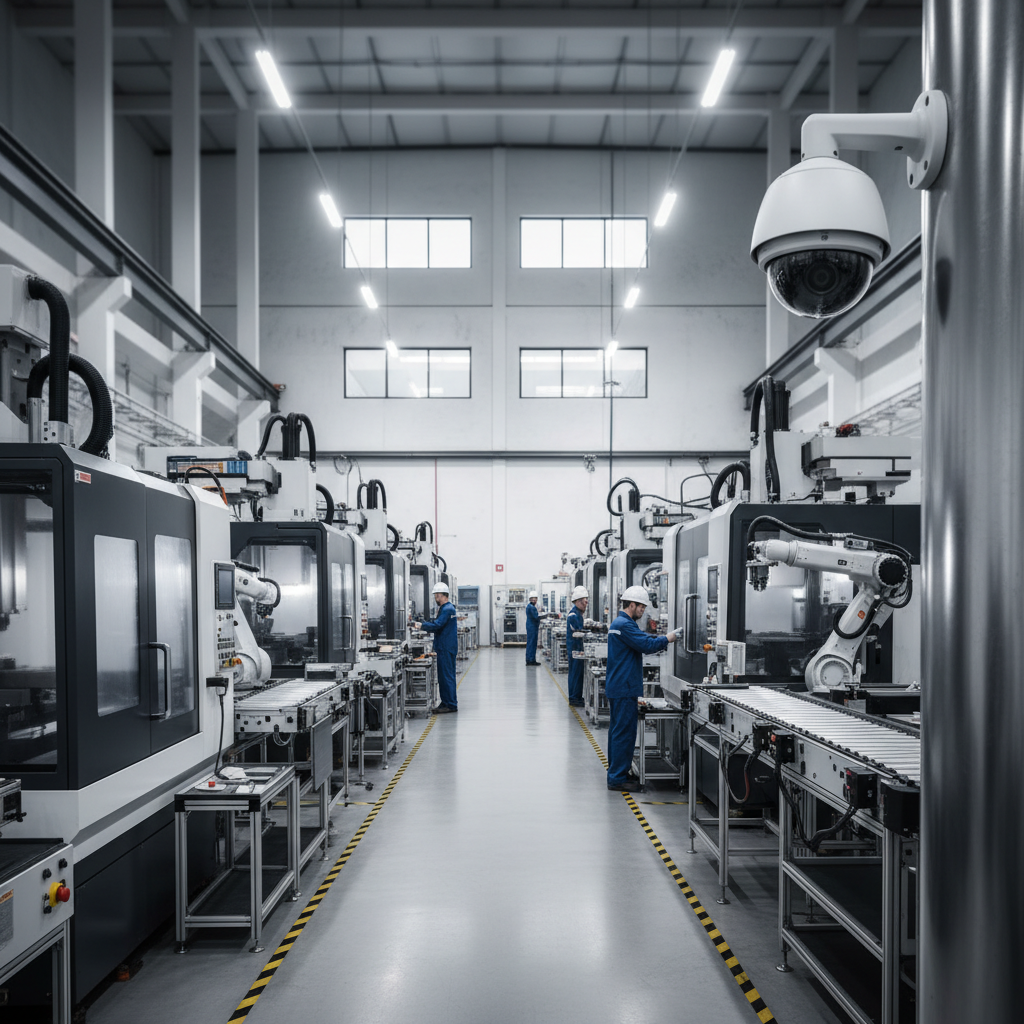
Optimizing Fire Safety with AI Integration
Traditional fire detection systems primarily rely on heat and smoke sensors, which, while effective, often react after a fire has already gained significant momentum. Integrating artificial intelligence (AI) with existing security cameras offers a proactive layer of detection, identifying anomalies like smoke or flames much earlier.
This approach transforms standard surveillance equipment into intelligent monitoring tools. By analyzing visual data in real-time, AI can distinguish nascent signs of fire or smoke from benign environmental factors, reducing false alarms and accelerating response times.
Such enhanced detection capabilities are crucial for large facilities, industrial complexes, and public spaces where early intervention can prevent catastrophic damage and ensure occupant safety.
The Power of Visual-Based Early Detection
Visual-based fire and smoke detection leverages advanced computer vision algorithms to identify specific patterns associated with combustion. This includes the characteristic plumes of smoke or the distinct flickering of flames, often before they trigger traditional sensor-based systems.
Unlike conventional detectors that require smoke or heat to reach their physical location, AI-powered cameras can detect these indicators across a broader field of view. This expanded monitoring range is particularly beneficial in high-ceiling environments or areas with substantial airflow.
The speed at which these visual cues are processed and flagged by AI allows for a more rapid assessment of a potential fire incident. This immediacy provides critical extra minutes for evacuation and emergency services to respond effectively.
Leveraging Existing Infrastructure for Enhanced Security
One of the significant advantages of AI fire and smoke detection is its compatibility with existing camera systems. Businesses can upgrade their security posture without investing in costly new hardware or extensive installation processes.
This cost-effective implementation means that advanced fire safety is accessible to a wider range of organizations. By simply integrating AI analytics software, current surveillance cameras become powerful early warning devices.
The ability to re-purpose existing assets not only saves capital but also streamlines deployment. This allows for a quicker transition to a more proactive and sophisticated fire safety framework.
Beyond Detection: Snapshot Evidence for Incident Management
Upon identifying a potential fire or smoke incident, AI systems can automatically capture critical visual evidence. This typically involves a series of snapshots that document the developing situation from its initial stages.
These timestamped image logs provide an invaluable resource for incident review and investigation. They offer clear, verifiable proof of when and where the incident began, aiding in accurate reporting and understanding the sequence of events.
For insurance claims and regulatory compliance, high-quality, snapshot-based evidence is crucial. It simplifies the claims process and supports detailed post-incident analysis, helping organizations meet their obligations and mitigate potential liabilities.
Practical Applications Across Industries
The utility of AI-driven fire and smoke detection extends across various sectors. In manufacturing, it can monitor production lines for sparks or overheating machinery. In warehouses, it can detect early signs of combustion in stored goods.
Commercial buildings and educational institutions benefit from enhanced safety for occupants by providing earlier warnings. Retail environments can protect valuable merchandise and ensure customer safety.
Even in construction sites, where temporary structures and volatile materials are common, AI cameras can offer a mobile and adaptable fire detection solution, adapting to changing site conditions.
Conclusion
The proactive identification of fire and smoke is paramount for ensuring safety, protecting assets, and maintaining operational continuity. AI-driven visual analytics offers a significant leap forward in this critical area, transforming standard cameras into sophisticated early warning systems.
By leveraging existing infrastructure, organizations can achieve a higher level of fire safety with cost-effective and efficient deployment. The ability to capture snapshot-based, claim-ready evidence further strengthens incident management and regulatory compliance efforts.
Patrol Sense empowers businesses to unlock this potential, turning their existing camera networks into intelligent platforms for real-time incident detection and comprehensive visual evidence collection, including proactive fire and smoke identification.